



'/%3E%3C/svg%3E "Youtube")

Aya Mansour

17 September 2026
Scroll Down
Scroll Down

This investigation documents how Article 26 of Iraq’s National Identity Card Law compels minors to adopt the religion of either of their parents who convert to Islam. This happens without their knowledge or consent, and prevents them from reclaiming their original religion even after they reach adulthood. Our report highlights cases of Christians, Yazidis and Sabian-Mandaeans affected by this restriction, but who only became aware of it later in life – usually when they married. At this point they found their rights over custody and inheritance, and even to marry in accordance with their own rituals, were curtailed.
“I passed out …I felt like I was in another reality.”
One Sunday, a 33-year-old woman called Sally (not her real name) making the rounds of government offices in Baghdad, trying to obtain an identity card, as she was about to get married. These cards were introduced in Iraq in 2016 to replace certificates of nationality, civil status ID and residence permits. As she made her way from one counter to the next, she had no idea that her application would be halted over the question of her religion, and that what seemed to be a simple item on the form would turn out to be an obstacle to her marriage and to the new chapter of her life she was hoping to start.
Sally was born to Christian parents, but found out she was officially registered as Muslim. She thought it was a mistake that just needed some bureaucratic procedure to correct. But the official said there was no mistake, explaining that she had been registered as Muslim at the age of 11 after her father converted to Islam. She lost control: “I passed out …I felt like I was in another reality.”
Sally grew up in the home of her mother, who had remained Christian after she separated from Sally’s father. He remarried, and Sally has only a few sporadic memories of him.From childhood, she was used to going to church for festivals and services, and thought of herself as a Christian throughout those years. She became engaged to a Christian man, and was married in a Catholic church service.
This investigation looks into how a parent’s change of religion affects the official registration of their minor children.. This is because of Article 26 of the National Identity Card Law, which those affected by it believe imposes a religious identity on children, deprives families of the right to define themselves, and drives some to emigrate in search of religious safety.
The official told Sally that her registered religious status prevented the marriage from going ahead, and that her only options were either to break off the engagement, or for her fiancé to convert to Islam, otherwise she faced being treated as an apostate from Islam.
In the first few days, Sally clung to the hope that the matter could be resolved quickly. But the answers she received were vague and confusing. She says that some were discriminatory and threatened her religious identity.
After months of going back and forth between the National Card Affairs Directorate and the court, she discovered that her situation was like that of other Christian, Yazidi and Sabian families who had their official religious registration imposed on them.
Sally found evidence of this in the Official Gazette, which published the National Identity Card Law No. 3 of 2016 in its February 1, 2016 issue, no. 4396. Paragraph 2 of Article 26 stipulated that underage children must follow the religion of any of their parents who converts to Islam, without specifying the minor’s rights on reaching adulthood and becoming legally independent from their parents.
Sally hired a lawyer and applied to have her registration corrected. She then appealed, through the Court of Cassation, against the decision over her registration and that of her father. The lawyer told her that her chances of winning the case were slim and advised her to emigrate, given how difficult it was to change one’s religion once it has been established in the official records.
Article 2 of the Iraqi constitution stipulates that “Islam is the official religion of the state and a fundamental source of legislation” and that “no law may be enacted that contradicts the tenets of Islam”.
The Federal Court of Cassation affirmed this in a civil ruling – published on the Supreme Judicial Council’s website in 2012 – which stipulated that “anyone who has become Muslim, whether in their own right or by virtue of the religion of one of their parents, cannot renounce Islam”. This limits the possibility of someone amending their religious status, since the law has no mechanism allowing them to return to their previous religion or to correct the religious status that appears in their records.
After months of deliberation, the court rejected Sally’s application and her appeal, and left her official religious status unchanged. Throughout this time, she says, the church was trying to persuade her to leave Iraq.
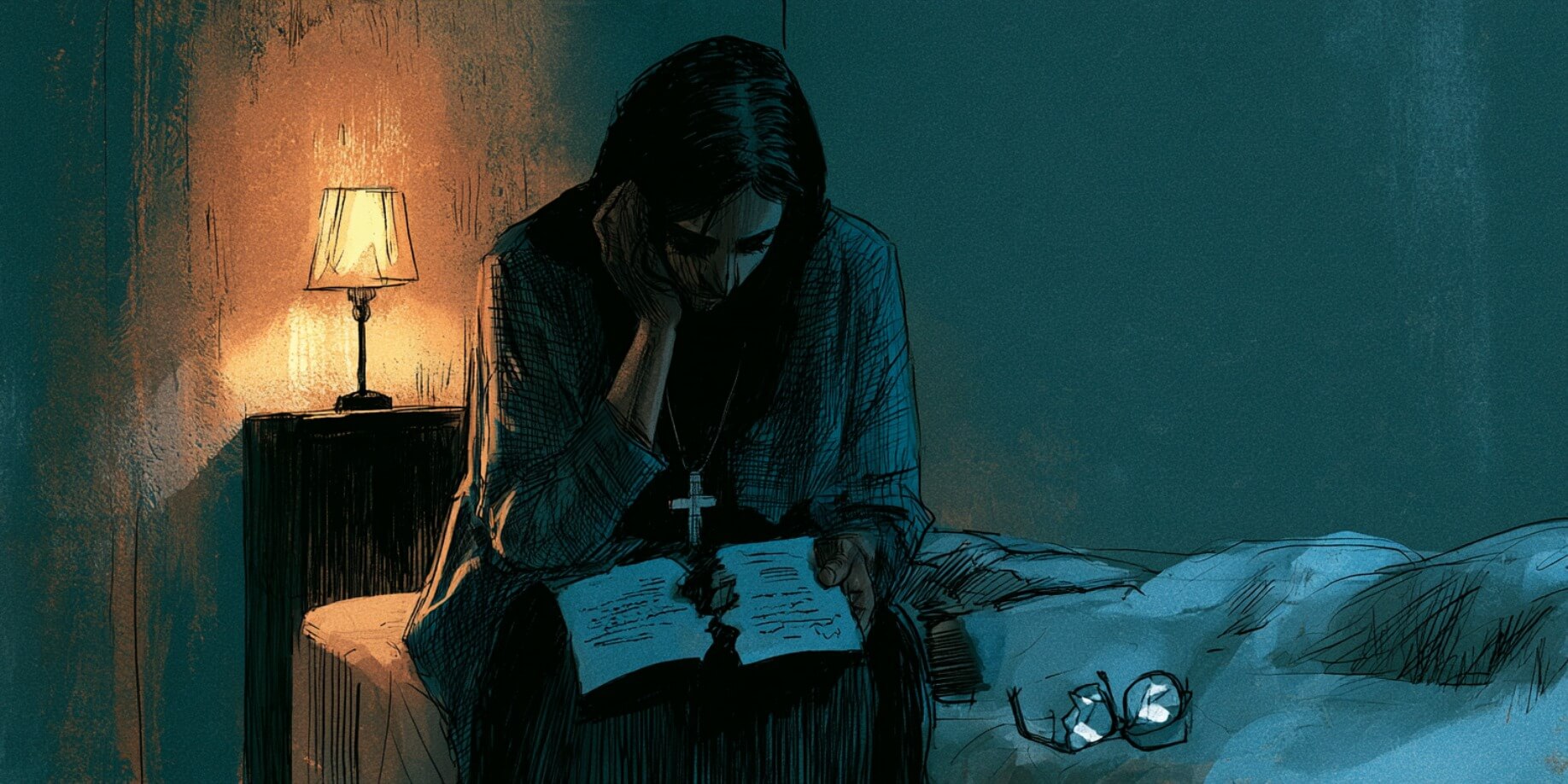
Everything Sally had saved for her wedding went toward her legal case. She was criticized and blamed for staying registered as a Muslim for years without taking any action, to which she would reply: “How could I do that when I’d no idea what happened? My life was torn apart. My lawyer pleaded with them and did what he could. I felt they wanted to expel me from my own country. I tried to get my religion back legally, but they rejected my application and then my appeal.”
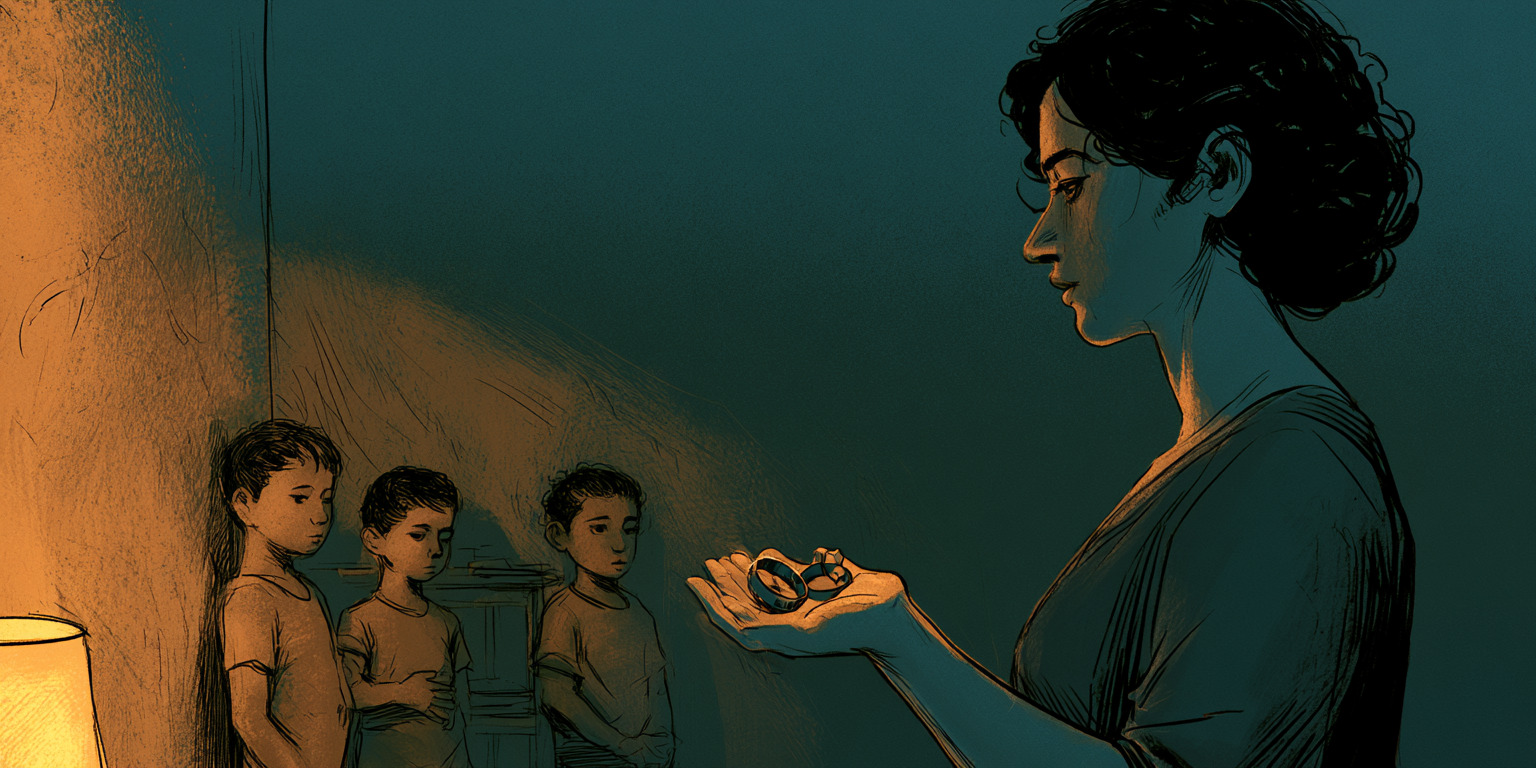
Sally clutches her gold ring tightly, her hopes of marriage dashed. Her fiancé’s family broke off the engagement, fearing his religion could be changed in the records too, and he was adamant he wanted to stay a Christian. Ever since then, Sally has asked constantly: who would agree to have their religion taken away from them?
She developed severe anaemia, lost her appetite, was unable to sleep for months, and her weight dropped to under 50 kilograms. Today, she is trying, with the help of a local organization, to leave Iraq for a place where she can practice freely. Describing her situation, she says: “I’m being forced out of this country, though I never wanted to leave. Today I’ve lost everything here; my life is at a standstill.”
 Details of several other cases here
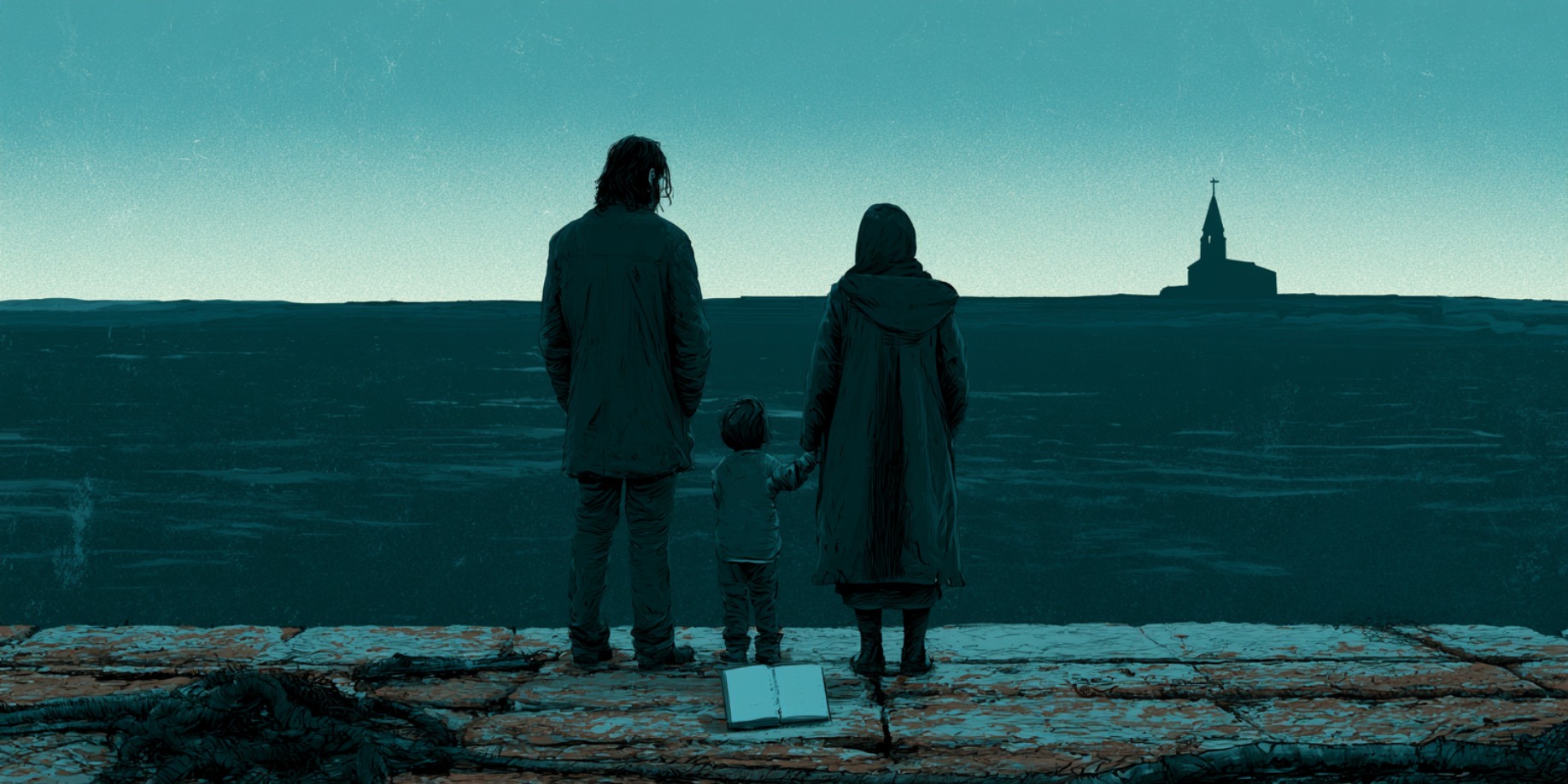
01
View Details
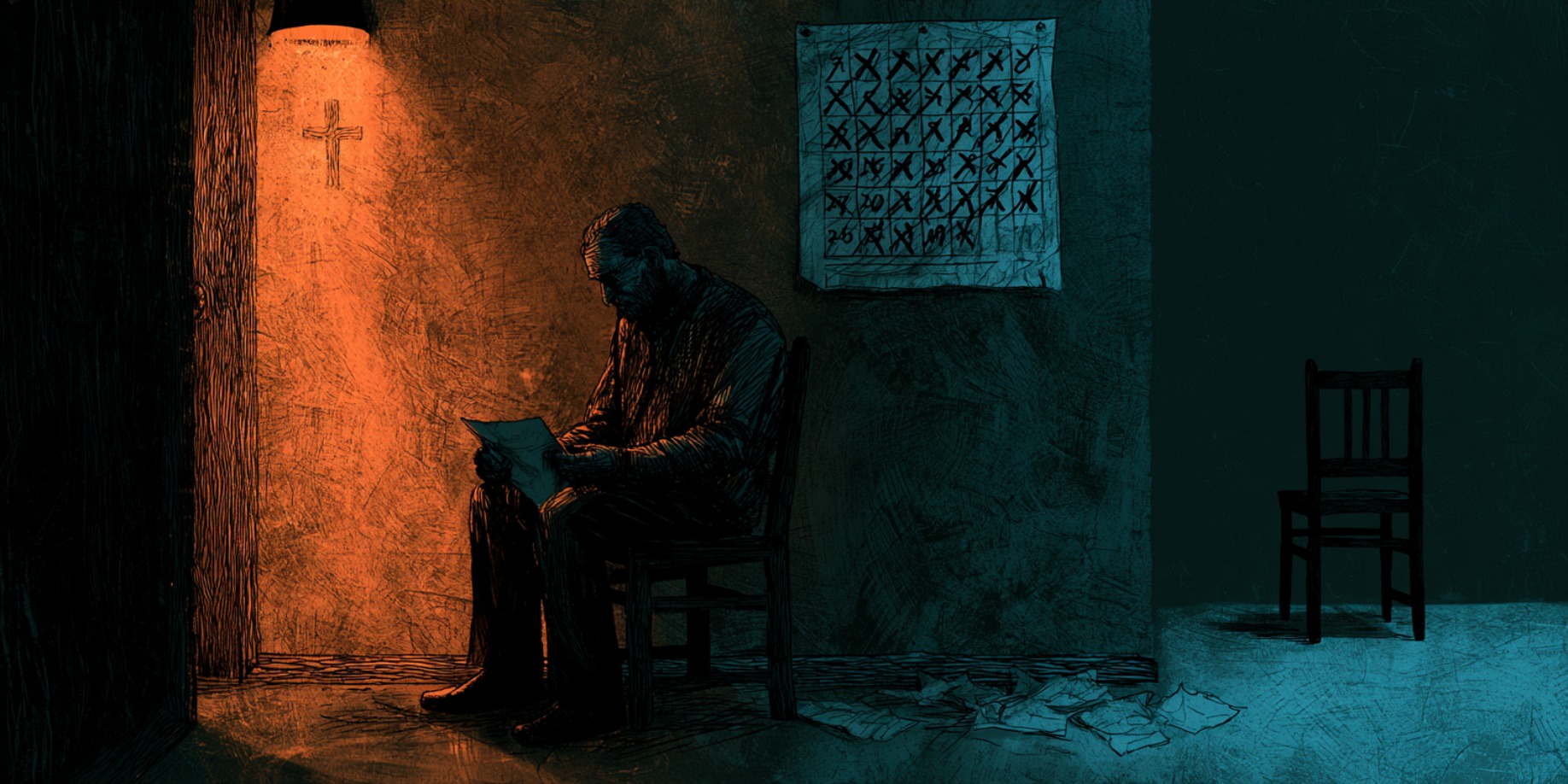
02
View Details
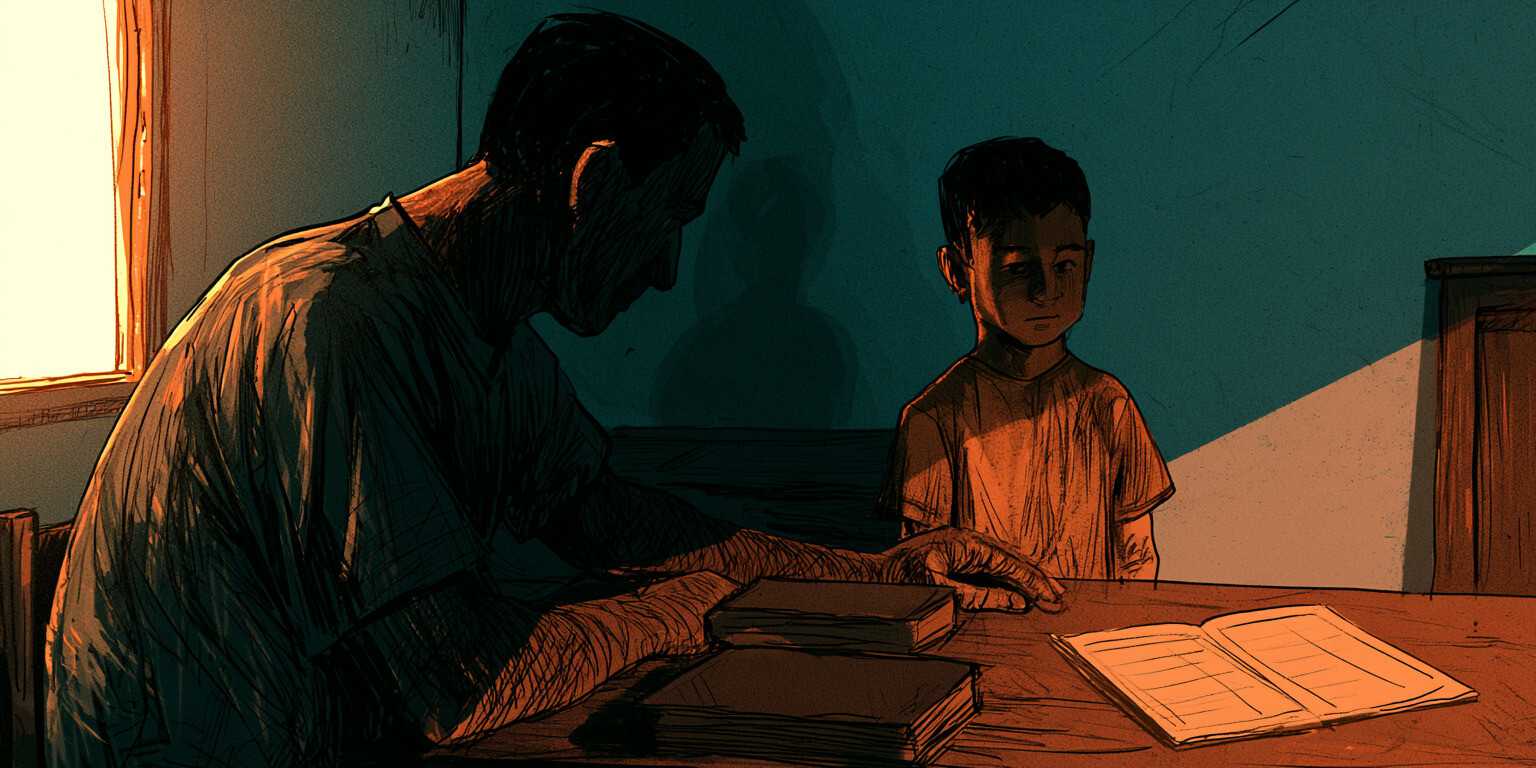
03
View Details
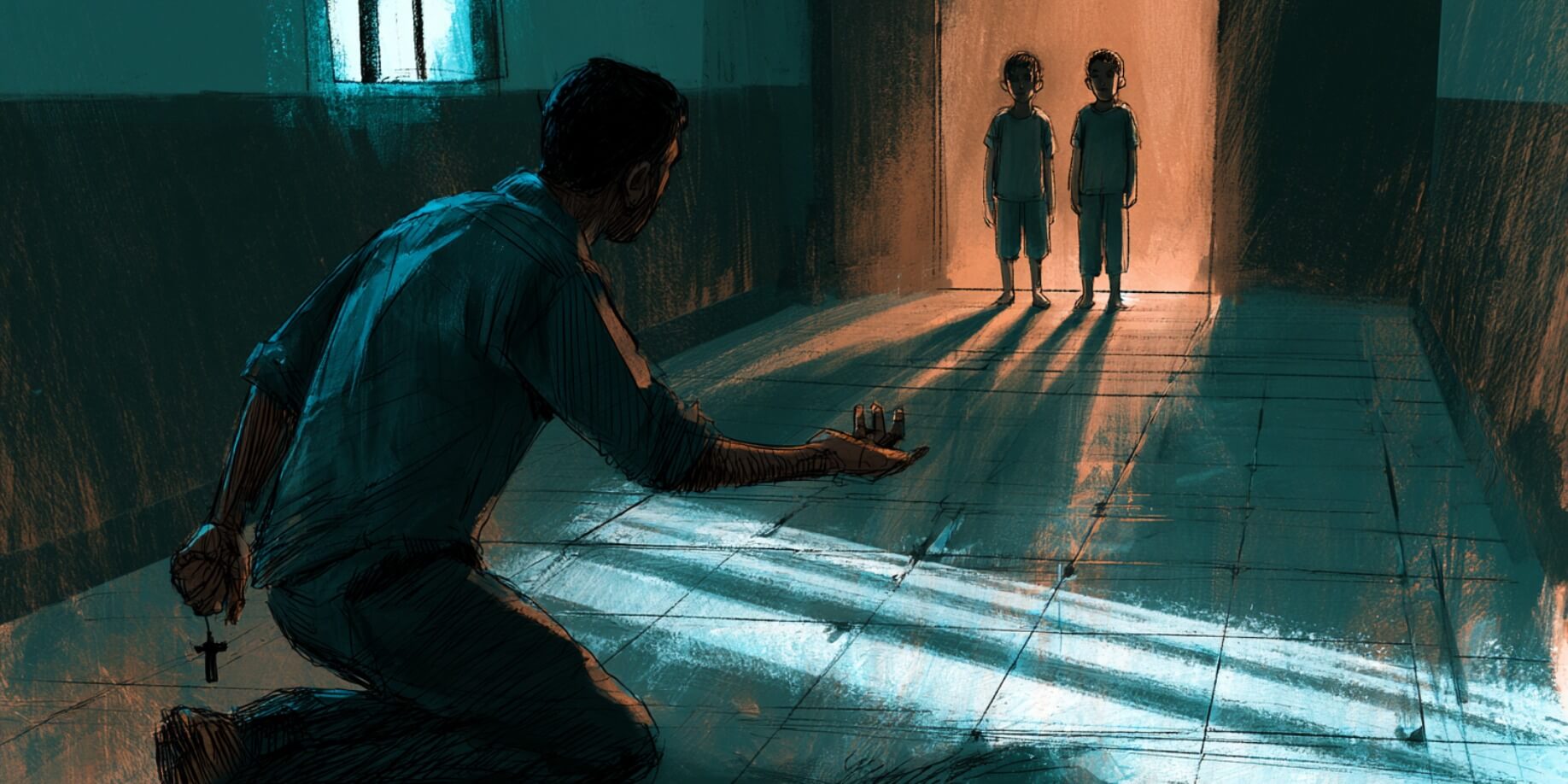
04
View Details
05
View Details
06
View Details

07
View Details
The law enshrined in Article 26 of the National Identity Card Law dates back to the Civil Status Law No. 65 of 1972. Article 20 permitted non-Muslims to change their religion in accordance with the law, while Article 21 regulated the process of conversion before either the Personal Status Court or the Personal Matters Court, depending on their respective jurisdictions. The third paragraph of the law stipulated that the religious affiliation of underage children should follow that of either parent who converts to Islam.
According to the study “Ruling on the Return to Their Previous Religion under Iraqi Law of a Person Who Became Muslim Following the Conversion to Islam of One of Their Parents.” by Dr Abdul-Muneim Abdul-Wahab Muhammad, published in the Journal of In-Depth Legal Research, Issue No. 25, “there is nothing that provides for this in any of the laws, regulations or instructions governing civil status, whether repealed or currently in force. The established case law of the Court of Cassation, however – from the enactment of the repealed Civil Status Law No. (65) of 1972 until 1999 – is that a minor who becomes Muslim after one of their parents converted may revert to their previous religion when they reach the age of legal majority, providing they are of sound mind. The court stipulated that, “to accept the application of a minor – who had become Muslim, following the conversion of one of their parents – to revert to their previous religion, the minor must be of sound mind and have reached the age of eighteen, and must submit their application to the competent court (the Personal Status Court) within one year of reaching the age of majority.”
This margin of flexibility was reduced in subsequent judicial rulings, which held that renouncing Islam was impermissible for those who had become Muslim through their parents. The National Identity Card Law, enacted on October 27, 2015, contains no right to choose one’s religion after reaching the age of majority, and retains the principle of parental affiliation in the new civil registry system.
During the parliament session to vote on this law, Christian, Yazidi and Mandaean MPs objected to the second paragraph of Article 26. Christian MPs submitted a motion, signed by 51 MPs, to allow minors to retain their religion until the age of 18 and give them one year to choose their religion after reaching adulthood. But attempts by MPs representing religious minorities to amend Article 26 were unsuccessful, with 137 MPs voting to retain the relevant paragraph. A proposal to repeal it also failed, with 108 MPs voting against, compared with 86 in favor.
After the law was adopted, representatives of religious minorities stopped attending parliamentary sessions in protest. They also met with the then president, Fuad Masum, demanding he halt what they considered a breach of the constitution. On November 17, 2015, Masum requested that the law be referred back to parliament for reconsideration of Article 26. The same day MPs voted to take steps to amend the law and bring it into line with the constitution and the rights of minorities.
This decision marked a political commitment. In October 2016, the first proposed amendment was placed on the parliamentary agenda, but its reading was postponed to allow for consultation with the Committee on Endowments and Religious Affairs. The first amendment was issued in 2017, but it left the second paragraph of Article 26 unchanged.
Father Martin Hormuz Dawoud, spokesperson for the Office of Endowments for Christian, Yazidi and Sabian-Mandaean Religions, describes Article 26 as “unfair to minorities.” He says that “forcing minorities and minors to change their religion, because one parent changes theirs, violates the rights and privacy of both minors and religious minorities”.
On November 25, 2015, the Human Rights Office of the UN Assistance Mission for Iraq (UNAMI) and the Office of the High Commission for Human Rights in Iraq expressed their concern over the impact of Article 26 on religious and ethnic minorities. The UN made clear that the article held a child to be Muslim if one of their parents converted to Islam, regardless of the child’s guardianship arrangements or the child’s own wishes, and called for the article to be deleted or amended to allow the child to choose their religion when they reached 18.
Both people affected by this law and lawyers whom I spoke to for this investigation believe that this conflicts with the freedom of religion and belief guaranteed by the constitution. Article 37(2) protects individuals from religious coercion; Article 42 ensures freedom of thought, conscience and belief; and Article 2 guarantees religious rights and freedom of belief and practice.
Lawyer Akram al-Najjar has handled dozens of cases relating to Article 26 of the National Card Law. He says it has disrupted the lives of those members of minority groups affected by it and restricted their religious freedom, by making the religion recorded in official documents take precedence over the religion someone was raised in, at home and in their community.
Al-Najjar describes the impact of the article as amounting to “ethnic cleansing” of minority identities, by stripping minors of their religion in official records and, when they become adults, coercing them with regard to marriage, children, education and official documents.
These restrictions usually become apparent only when a person comes of age, and applies for an identity card or a marriage certificate, or appears in court, as minors are unable to access their family registration themselves.
I questioned Brigadier (Legal) Munadhil al-Saadi, Director of Media at the General Directorate of Civil Status, Passports and Residence, about the harm caused by Article 26 of the National Identity Card Law No. 3 of 2016 to minors from minority groups. In response, he acknowledged that applying Article 26 formed part of the obligation of executive institutions to enforce laws and judicial decisions issued by the competent courts. He explained that the role of public-service services was confined to carrying out administrative procedures within the approved legal framework.
He added: “While we are committed to upholding the rule of law, we are fully aware of the social and humanitarian challenges and the psychological impact caused in certain cases, particularly for minors.”Brigadier General Munadhil Al-Saadi,Director of Media at the Directorate of Civil Status, Passports and Residence
Mar Abras Youkhana, Bishop of the Assyrian Church of the East, says that Article 26 has driven some Christians in Iraq to emigrate, but the Church lacks accurate statistics, because many of those affected do not speak out, because of fear of shame or social exclusion.
Iraq joined the Convention on the Rights of the Child on June 15, 1994. Article 14 of the Convention stipulates a child’s right to freedom of thought, conscience and religion, while respecting the rights and duties of parents or legal guardians to provide direction to the child in the exercise of that right in a manner consistent with the evolving capacities of the child.
In 1971, Iraq ratified the International Covenant on Civil and Political Rights. Articles 18 and 27 guarantee freedom of thought, conscience and religion, and the right of minorities to practice their religion and culture.
In its 2025 report, the US Commission on International Religious Freedom recommended placing Iraq on its “Special Watch List”, because of the precarious state of religious freedom in 2024, as well as threats from armed factions, inadequate protection of minorities, and the continued existence of laws imposing a religious classification on “people who have changed their religion” and their underage children.
Population figures for minorities are not part of the official census, which asks a general question about religion. Estimates of their numbers are consequently based on international and human rights reports. These include a 2024 report by the UK Home Office, which put the number of Christians at fewer than 150,000, compared to around 1.5 million before 2003. Other estimates put their number at between 200,000 and 300,000. The number of Yazidis is estimated to be between 400,000 and 500,000, and that of the Sabian Mandaeans from 10,000 to 15,000.
“The law is wrong; a minor is not qualified to make this decision, as it is imposed on them, and it is a violation of childhood.”Mar Abras YukhanaBishop of Dohuk and Nineveh
Mar Abras Yohanna, Bishop of Dohuk and Nineveh, says that some husbands declare themselves Muslim to evade paying maintenance or to strengthen their position in custody cases, and that delay in obtaining a church divorce leads some lawyers to suggest changing religion as a quick fix, without considering the consequences for the children: “The law is flawed; a minor is not qualified to make this decision, as it is imposed upon them, and this constitutes a violation of childhood rights.”
According to the bishop, the church does not have official statistics on the number of people negatively affected by Article 26. Many are reluctant to seek help for fear of shame or rejection. Some choose to emigrate, others to conceal the issue and live with two identities. The bishop asks why there should be this contradiction between the rights and equality for citizens guaranteed under the constitution and legislation which he believes undermines these rights for followers of different religions and sects.
* Names have been changed at the request of those involved.
This investigation was carried out with the support of ARIJ.