



'/%3E%3C/svg%3E "Youtube")

Rim Trad, Mohammed Al-Hasani, Dawalh Al-Hasabani

28 September 2026
This investigation shows that US air strikes on Arab countries (Yemen, Syria, Iraq and Somalia) follow four recurring patterns: 1) civilian casualties far outnumbering the intended targets; 2) each US administration changing the rules of engagement; 3) a pattern of strikes at night and in the early morning; 4) variation in the amount of lethal force used depending on the organization targeted. Our data shows that over three thousand civilians were killed or wounded in these air strikes, nearly half of them children.
Just a few seconds and one press of a button somewhere far away; that was all it took to wipe out the Galgala family. No one in the village of Al-Ma’jalah – next to Wadi Qatana in the Al-Mahfad district of south Yemen’s Abyan governorate – was aware that US officials had made the decision to strike. But moments later five Tomahawk missiles set the small Bedouin settlement of Al-Shabaka ablaze.
Forty-one of the people living there had their lives cut short in the blink of an eye. This remote, peaceful place had become nothing more than a “suspicious coordinate” in the records of the US air war.
It was six o’clock on the morning of Saturday, December 17, 2009, and the valley air was filled with the smell of burning firewood, carried on the chilly dawn breeze. In one of the Galgala family’s three tents, thirteen-year-old Fatima was snuggled up with her four sisters and their father. Outside, their mother was stoking the fire to prepare breakfast she would never finish preparing. The children, of whom Fatima was the eldest, were still deep asleep. Fatima had no idea that hours earlier, a decision had been made in the White House over who in those three tents would live and who would die.
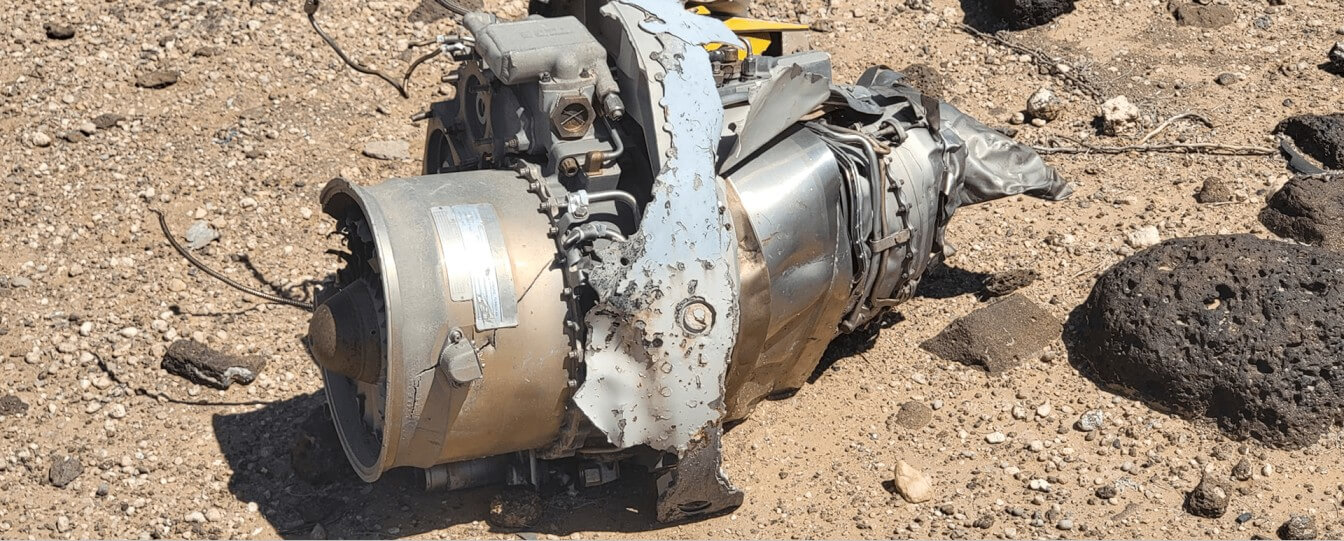
Within seconds, the bombardment had wrought utter devastation. The bodies of fourteen of the Galgala family were mingled with the ashes of the burned tents, the carcasses of livestock and the charred beehives – all destroyed by the five missiles and cluster bombs. Fatima was pulled out of the rubble, barely alive. She went through a long and painful course of hospital treatment in Jordan, before awakening to the cruel realisation that she was the sole survivor of her family.
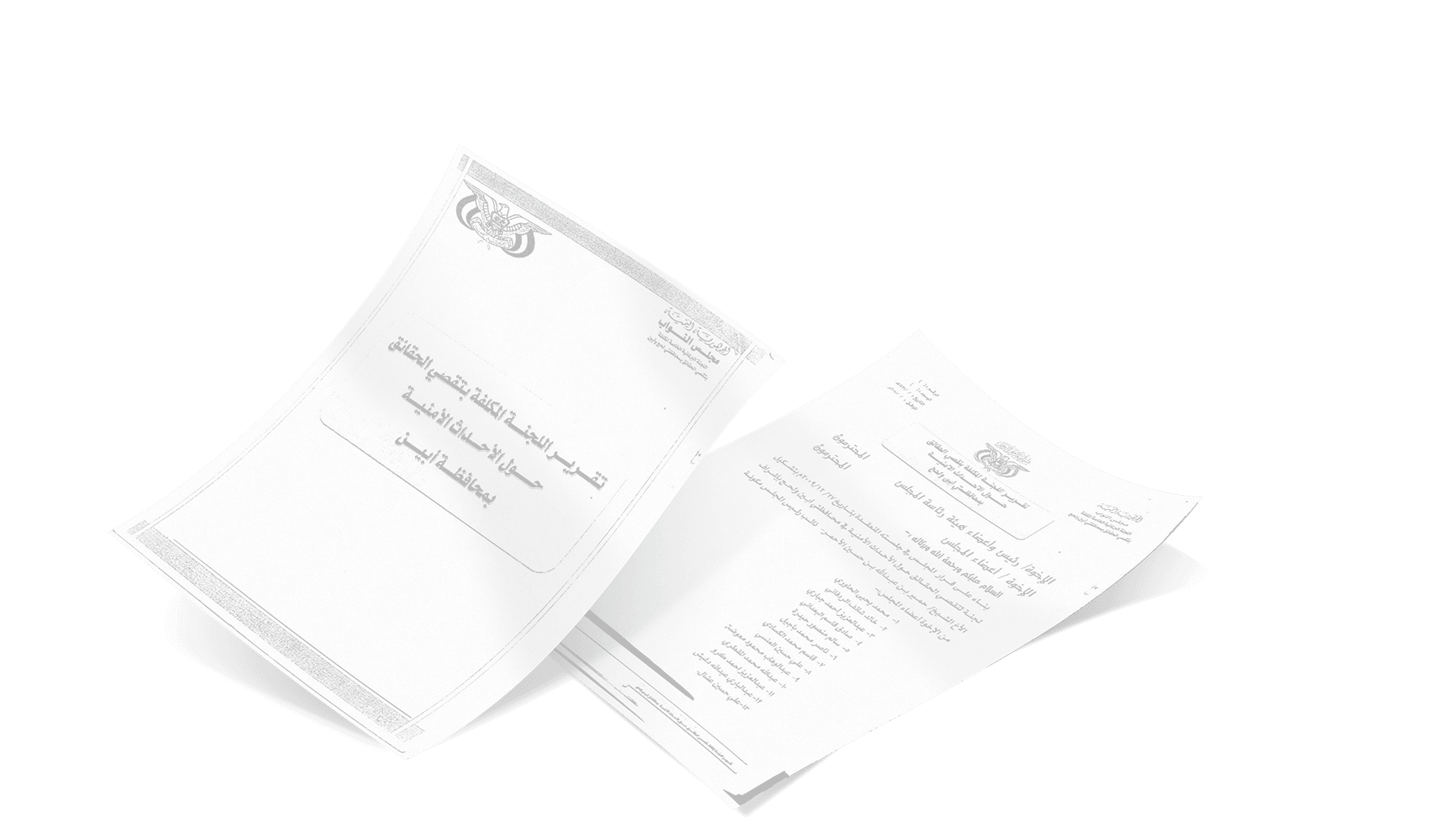
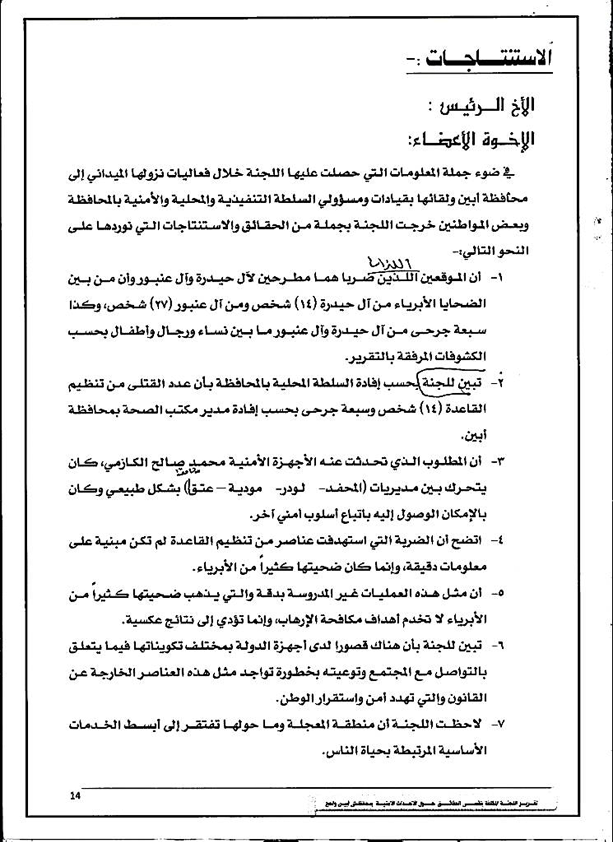
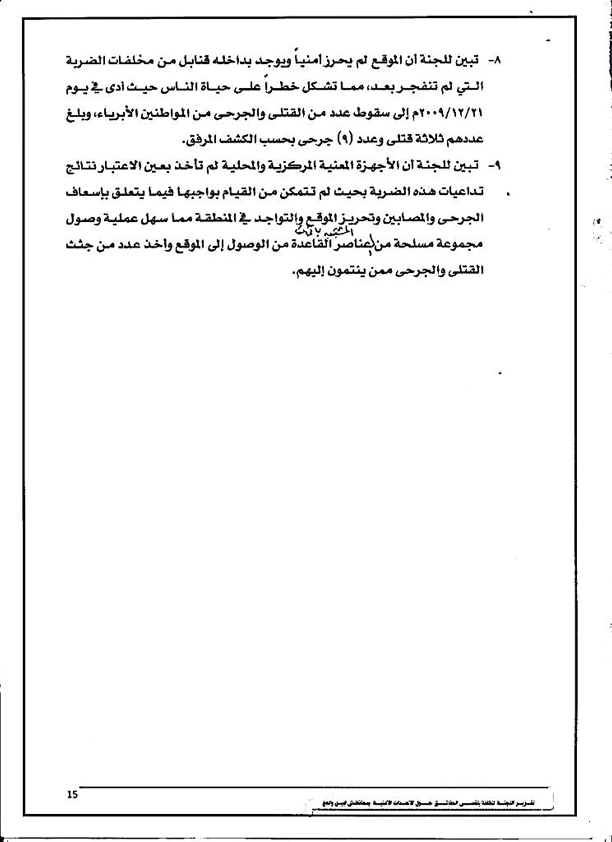
What happened at Wadi Qatana was not simply a case of target of misidentification. A document from the Yemeni parliament’s fact-finding committee shows that the bombardment also struck defenceless civilians from the Al-Haidara and Al-Anbour families. The result was forty-one civilians killed and fourteen Al-Qaeda fighters.
The most striking of the committee’s findings is that the “security suspect”, who the attack was supposed to have been aimed at, was moving freely, and could have been arrested using conventional law-enforcement methods,, without the need for a bombing that destroyed an entire residential area. This means the incident is concrete evidence that the military chose “indiscriminate bombardment” over a targeted security operation. And this in turn sheds light on how Washington has been conducting its air war.
Leaked US diplomatic document 10SANAA4-a, published by WikiLeaks on January 4, 2010, reveals how the US role in the bombing of Wadi Qatana was covered up.
The document shows that late Yemeni President Ali Abdullah Saleh promised, in a meeting with the then commander of US Central Command, General David Petraeus, that his government “will continue saying that the bombs are ours, not yours”.
The document also quotes Rashad al-Alimi – then Deputy Prime Minister for Defence and Security Affairs and now the Chairman of the Yemeni Presidential Leadership Council – joking that he had “just lied to the Yemeni parliament” when he stated that the munitions used against Arhab, Abyan and Shabwah were US-made but had been fired by the Yemeni government.
These statements, which appear in the document, show there was a coordinated political and media strategy to attribute the strikes to the Yemeni government, despite the direct role the US played in them.
Fatima’s story, far from being an exception in the history of US warfare, is just one of thousands of stories ending in a similar tragedy Across the world, from Yemen to Afghanistan, Iraq and Syria, homes, schools and markets have become aerial targets in the so-called “US war on terror”.
According to a report by Airwars – an organization that specialises in documenting the civilian toll of conflicts – the 91,340 US airstrikes carried out between 2001 and 2021 left at least 22,679 civilians dead.
In this long history of warfare, Fatima appears as just another casualty statistic. But for Wadi Qatana, she was never just a number; she was the little girl who woke up to find she had survived while all the rest of her family had been wiped out at the touch of a button.
In this investigation, we analysed 884 air operations – some of which involved more than one strike – by the US and the US-led coalition against ISIS in four Arab countries: Yemen, Syria, Iraq and Somalia. These resulted in 3,336 civilians killed or wounded. Our analysis used a database compiled by Airwars covering the period from 2007 to the end of May 2025, which the organization shared with us.
We excluded from our analysis: any strikes where there was a dispute over whether they had actually taken place; over the number of civilian casualties; and those which could not be classified. We also used the lowest minimum documented number of casualties for each incident.
It is important to point out that the Airwars database does not track all US airstrikes in Arab countries, but focuses on operations that have resulted in civilian casualties and which the organization was able to document.
Airwars uses a standardized methodology for collecting data and documenting civilian casualties. Its researchers employ open-source investigation techniques, including geolocation, tracking information posted by Facebook groups and Telegram channels, as well as reviewing death notices and funeral and condolence announcements.
The team sometimes gathers scraps of information from media outlets operating in areas of heavy censorship, cross-referencing and verifying them against multiple sources. Airwars also adheres to international best practice in documenting human casualties, using a system of confidence levels and categories to assess the reliability of information and maintaining transparency in its methodology and findings, according to Executive Director Emily Tripp.
Several Arab countries have suffered civilian deaths and injuries, but Syria has recorded the highest number.Airwars has documented casualties among groups afforded special protection under international humanitarian law, including non-combatants and health workers.
The most harrowing figures, however, relate to children. According to Airwars’ analysis, children accounted for about 42% of known civilian casualties from US airstrikes – 1,286 in all – meaning that nearly one in every two victims was a child.
The total number of people killed and injured from specially protected groups under international law in Syria, Somalia, Yemen and Iraq as a result of US airstrikes and strikes by the US-led coalition, from 2007 to the end of May 2025:010203040
Non-government medical and religious personnel
Journalists
Governmental medical and religious personnel
Health workers
Non-combatants
Others protected under international law
Total number of civilians killed and injured in Syria, Yemen, Iraq and Somalia in US air strikes and strikes by the US-led coalition from 2007 to the end of May 2025:
= 10
Killed
Wounded
1336
Syria
991
Yemen
793
Iraq
216
Somalia
The proportion of children, women and men killed and injured in Syria, Yemen, Iraq and Somalia by US airstrikes and strikes by the US-led coalition from 2007 to the end of May 2025:24%42%34%
Source: Airwars
*These figures represent the minimum documented number of casualties.
Wes Bryant, a former official at the Pentagon’s Centre for the Protection of Civilians, says that one of the chronic failures in the US military’s accountability mechanism is the failure to record the proportion of children and adults killed in incidents that cause civilian casualties.
Bryant also told us: “Unfortunately, this is yet another example of the inability of the US military to assess harm caused to civilians and to hold itself accountable.”
According to Bryant, most incidents in which civilians were killed in the course of the “US War on Terror” were caused, at least in part, by a failure to identify the presence of civilians – often children – in the target areas. Far less common were cases where children were out in the open and clearly visible when they were targeted.
Children are doubly protected under international law: firstly, as vulnerable civilians needing special protection; and secondly, by virtue of the ban on involving children in hostilities. While a high proportion of child casualties does not in itself constitute a violation, it is a strong and internationally recognised indicator in assessing the legality of attacks. Nour Kelzi, a researcher at The Legal Agenda, thinks that the unusually high proportion of children among civilian casualties raises considerable doubt that international legal principles of distinction, proportionality and precaution, are being adhered to.
Kelzi explains that whilst this proportion is not, on its own, sufficient to prove that an attack was unlawful, it may constitute strong evidence that it was indiscriminate or disproportionate. This is particularly the case when taken together with other factors, like the nature of the target, what information was available prior to the attack, what means were used, and whether precautions were taken to avoid causing harm to civilians.
Distinction: Parties to the conflict must at all times distinguish between civilian objects and military objectives. Attacks may only be directed at military objectives. Attacks must not be directed against civilian objects.
Proportionality: Launching an attack which may be expected to cause incidental loss of civilian life, injury to civilians, damage to civilian objects, or a combination thereof, which would be excessive in relation to the concrete and direct military advantage anticipated, is prohibited.
Precaution: The parties to the conflict must take all feasible precautions to protect the civilian population and civilian objects under their control against the effects of attacks.
Source: Customary International Humanitarian Law Study– International Red Cross Committee
Fatima spent three months in a Jordanian hospital in a coma and in shock, as her body relearned the most basic functions of life: breathing, opening her eyes, and just surviving. But survival was not the end of her ordeal. When she returned to Yemen, there was no home to go back to, no family waiting for her, only memories of pain and loss, and the question no one could answer: why?
The data, which we carefully scrutinised and cross-referenced, however, tell another story; one that no official body put forward.
Behind the familiar rhetoric over “military precision” and “legitimate targets”, data show that a tacit lethal equation has governed US airstrikes in Yemen, Iraq, Syria and Somalia. This pattern has been most prevalent during Trump’s second term in office, when over two civilians have been killed for every fighter. This is the highest ratio for all the presidential terms covered by the data. In other words, targeting a single fighter costs, on average, more than two civilian lives..
The ratio of civilians to combatants killed and injured in Syria, Yemen, Iraq and Somalia in US airstrikes and strikes by the US-led coalition under each presidency from 2007 to the end of May 2025:
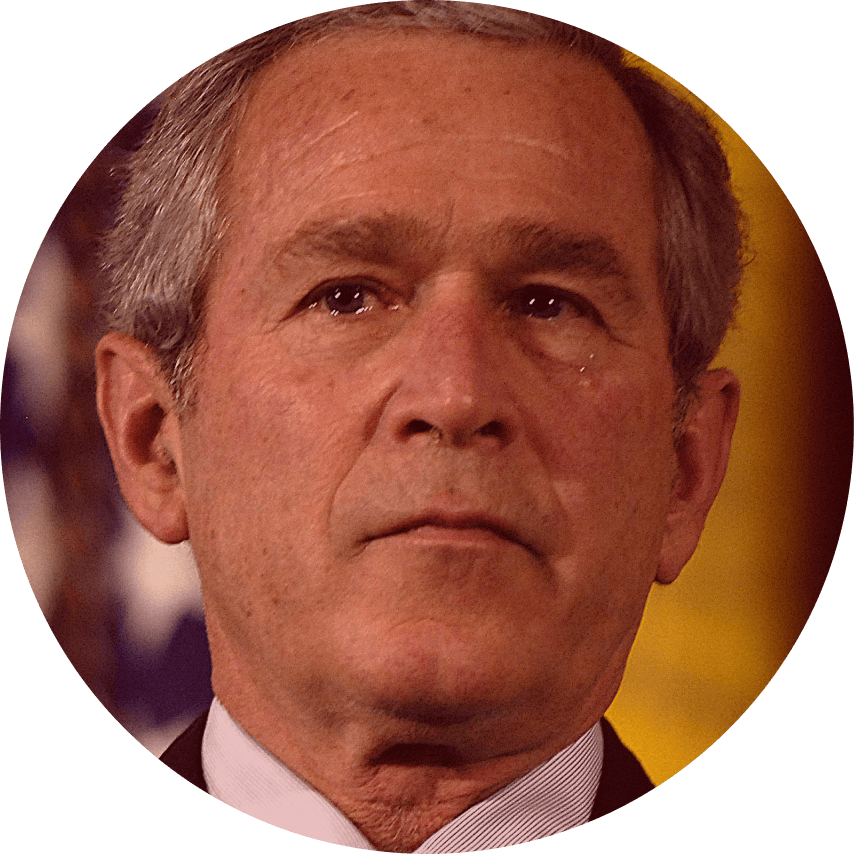
George W. Bush
0.4civilians killed for every combatant
1.1civilians wounded for every combatant
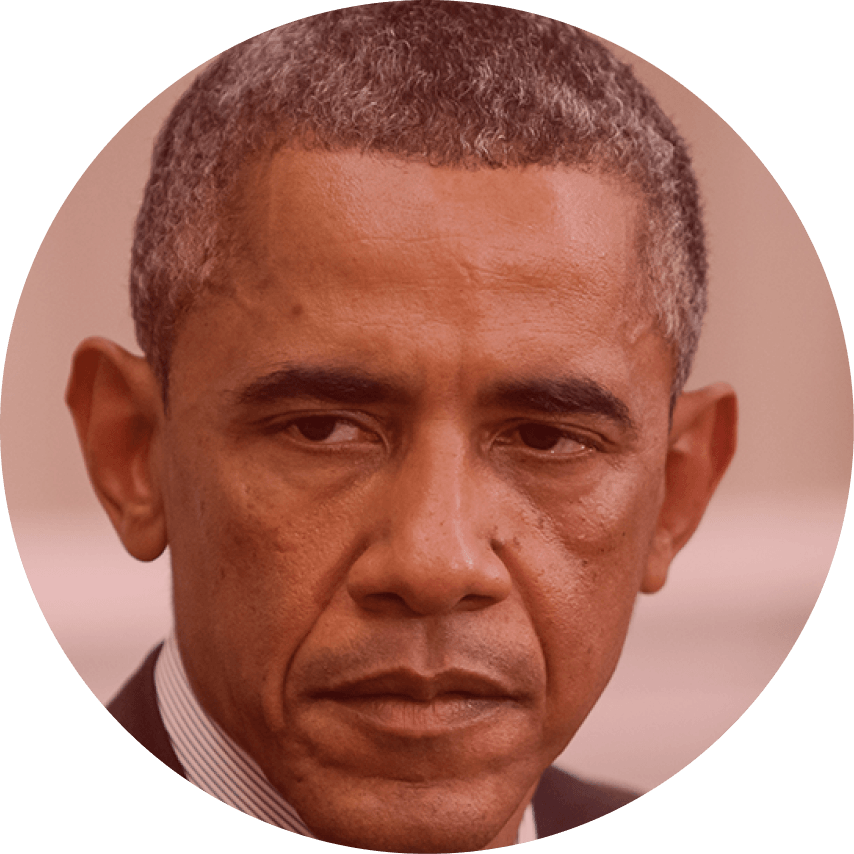
Barack Obama
0.8civilians killed for every combatant
5.1civilians wounded for every combatant
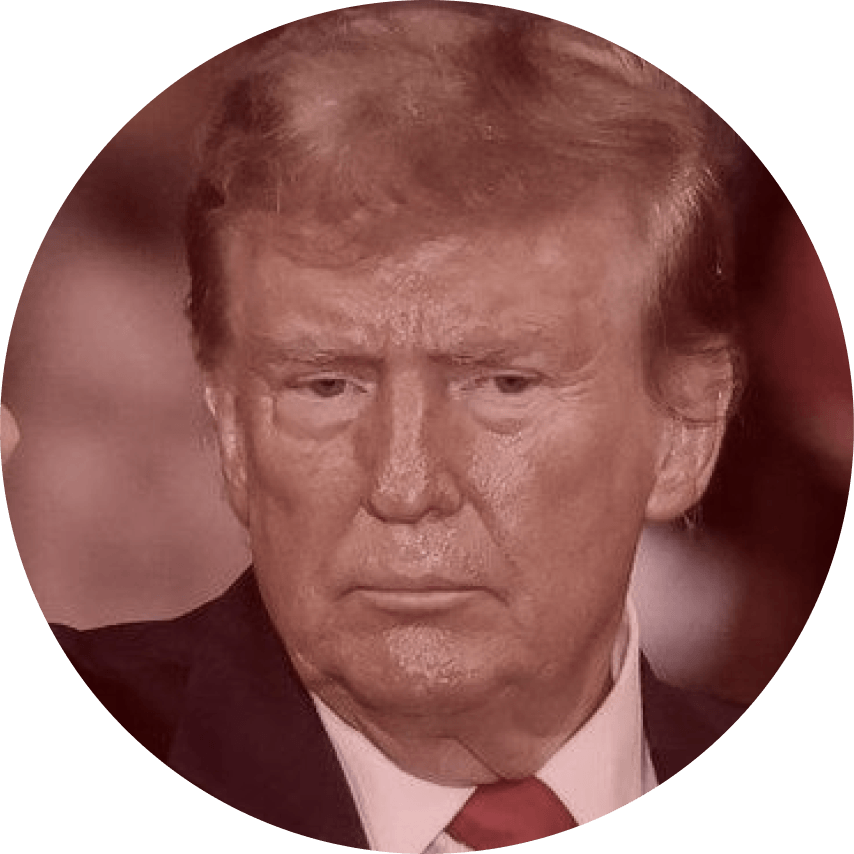
Donald Trump
0.6civilians killed for every combatant
3civilians wounded for every combatant
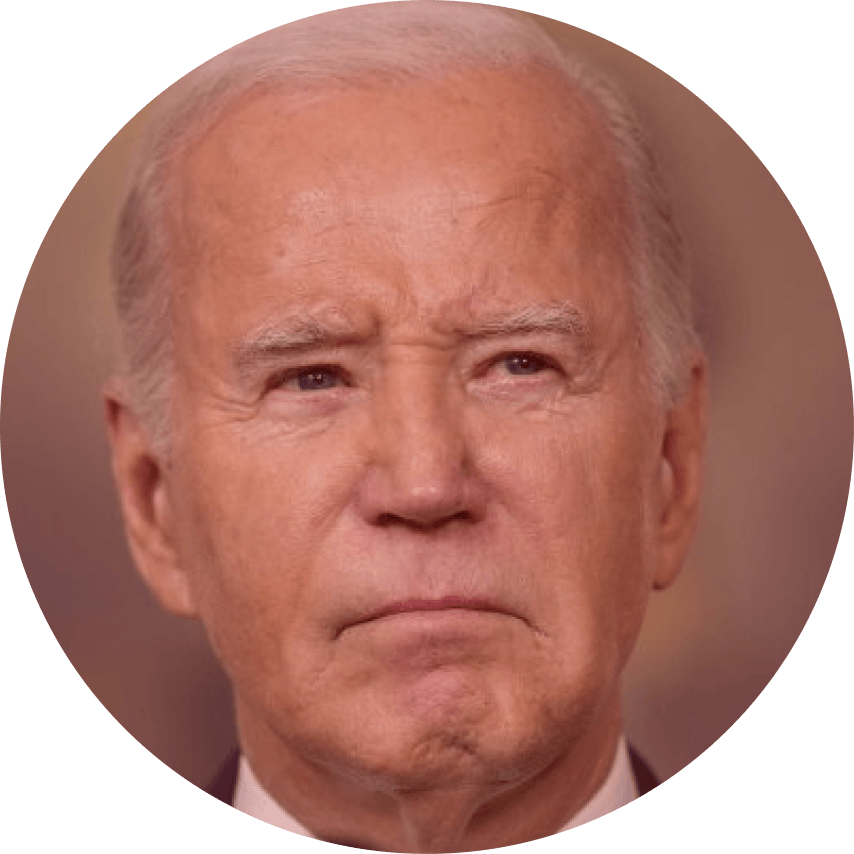
Joe Biden
0.1civilians killed for every combatant
1.2civilians wounded for every combatant

Donald Trump
2.3civilians killed for every combatant
158civilians wounded for every combatant
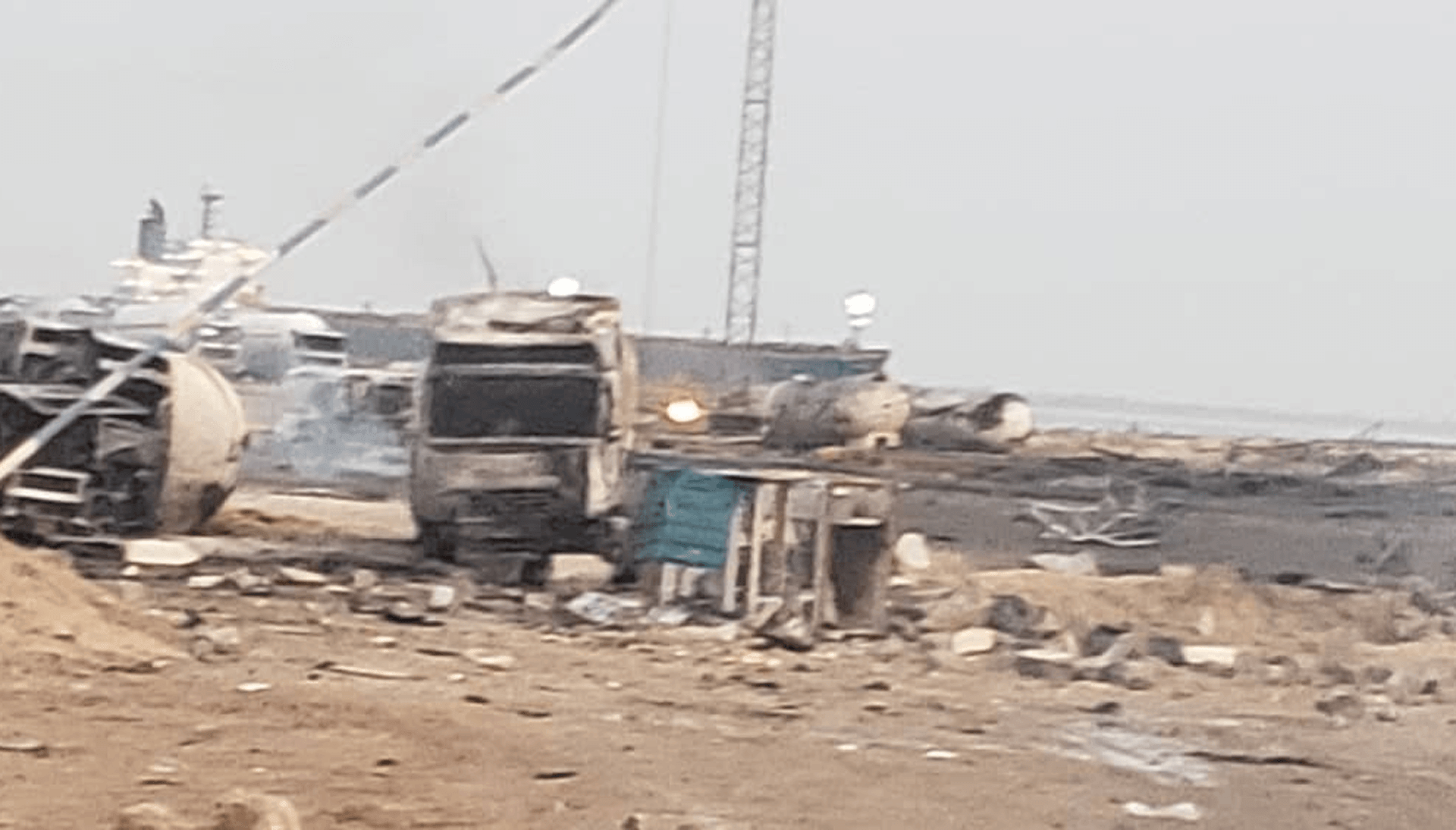
These ratios have gone up or down as US administrations have changed, and have peaked during Donald Trump’s current presidency. This second Trump term is still a short period in which to extract data, but it has seen 5.3 civilians killed or injured for every combatant targeted in airstrikes.
If we look at just the number of injured, the ratio stands at 158 civilians for every wounded combatant. During the Obama presidency, the average was 1.25 civilians killed or wounded for every combatant. By comparison, this ratio fell to 0.2 during the presidency of Joe Biden. These statistics do not point to precision strikes, but instead to a pattern of operations that leave whole areas littered with dead and wounded.
Dr Amer Al-Sabaileh – a university professor and expert in geopolitics and national security – attributes this to the way the armed groups operate. In an exclusive statement he told us that these organizations “seek cover by blending into the civilian population. So, more often than not, they meet in densely populated areas”.
Mae Thompson, senior advocacy officer at the UK-based Ceasefire Centre for Civil Rights, rejects the idea of these casualties being seen as an inevitable cost of the war on terror.
She tells us that this recurring pattern of strikes reveals “persistent shortcomings in precautionary measures and repeated failure to take into account the presence of civilians”. She adds: “To determine whether this pattern amounts to systematic violations of the principle of proportionality requires case-by-case legal assessment covering individual operations, targeting, decisions by commanders, and broader institutional policies and procedures.”
Dr Al-Sabaileh sums up by saying: “No US administration can stop the consequences as long as its priority remains the fight against terrorism.”
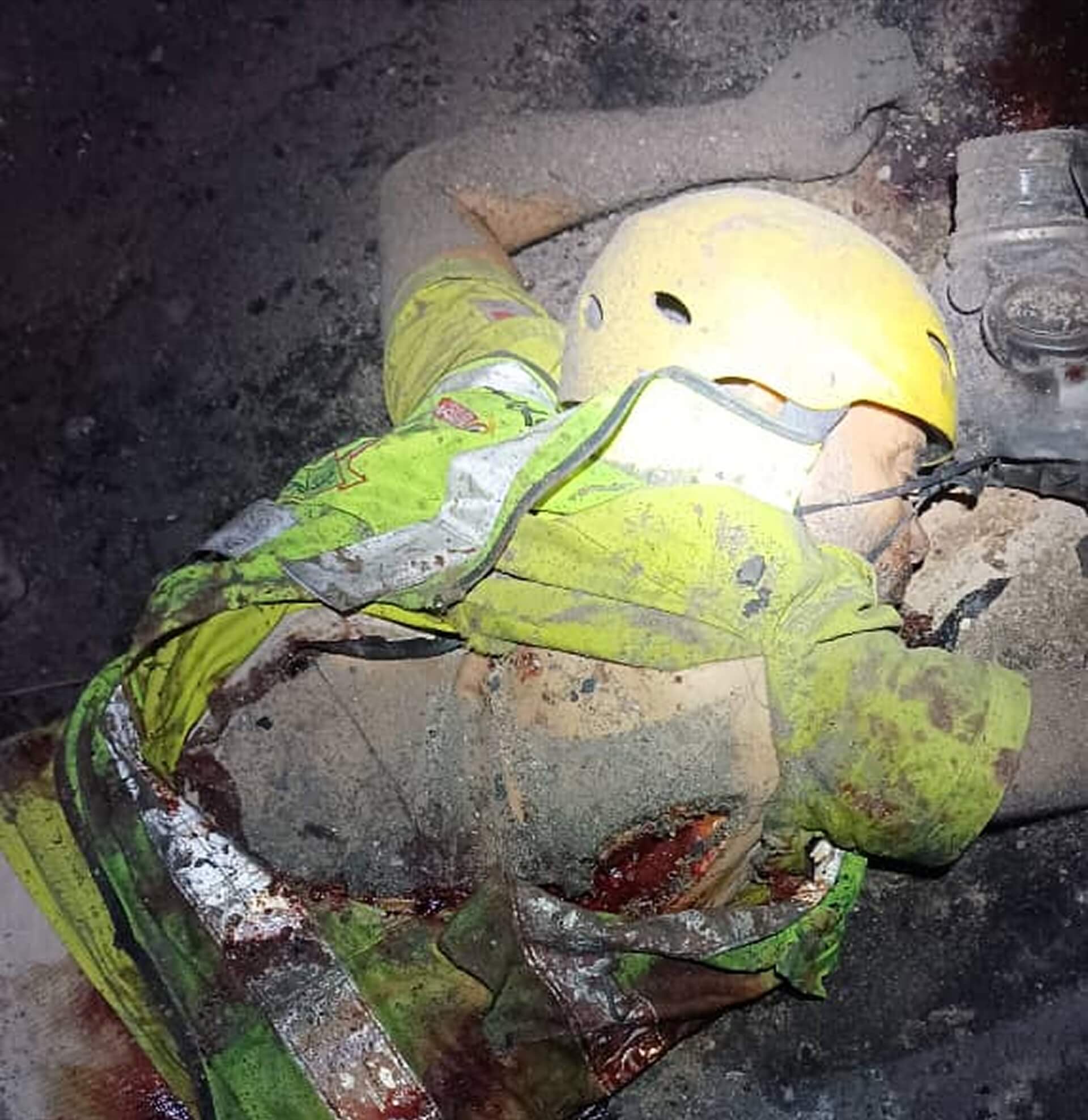
This disparity in casualty figures – two civilians killed for every one combatant – was not caused by a technical failure in the drone or a one-off misjudgement on the ground. It was instead the result of decisions taken behind closed doors in the Oval Office that translated into well documented patterns on the ground. So at the same time Barack Obama was giving speeches as a winner of the Nobel Peace Prize, and Donald Trump was eagerly seeking the same honour, their administrations were presiding over the deadliest time for civilians in the US air war.
The distance that separates Washington from Wadi Qatana is not merely geographical, but also legal. Between the decision being taken in the Oval Office and the missile striking a tent in Yemen lies a whole system of documents and policies known as the “rules of engagement”. These are the rules that determine when, why and how a specific person or location can be targeted.
When you look into how these rulings have evolved you can see a systematic redefinition of the level of certainty required when it comes to decisions to kill, and less weight being given to uncertainty in favor of broadening the scope of targeting.
In May 2013, Obama signed a document – the Presidential Policy Guidance (PPG) – which established some of the strictest targeting criteria in the war on terror. The document stipulated that, to prevent civilian casualties, there must be “near-certainty” before there was any airstrike outside declared war zones. The document also indicated that sensitive decisions must be subject to high-level centralized review by the White House, which must also give explicit approval prior to any air operation.
In 2017, Trump introduced the “Principles, Standards, and Procedures” (PSP) document. Though this ostensibly retained the same language regarding protection of civilians, it transferred significant decision-making authority to the heads of security and military agencies and cut down on review by the White House. It adopted the principle of “reasonable certainty” in place of “near certainty”, lowering the threshold when it came to targeting adult civilians. In other words, civilian protection carried less weight in targeting decisions.
Dr Amer al-Sabaileh sees this shift as a logical consequence of the “war on terror”, since the need to respond quickly meant that greater latitude was given to field commanders to make decisions independently of the central authority. “We’ve seen the result of this speed up in Syria, Iraq and elsewhere,” says al-Sabaileh.
Wes Bryant, the former official at the Pentagon’s Centre for the Protection of Civilians, went further in his statement to us. He describes the approach taken during Trump’s second term as “a clear downgrading of any genuine commitment to international law and regulations.” He points to “a tangible increase in tolerance of collateral damage, and an unrestrained appetite for killing that goes all the way down from the president and secretary of defence through the chain of command”.
Annie Schiel, Director of the US Office at the Center for the Protection of Civilians in Conflict (CIVIC), comments: “Air strikes have been particularly deadly for civilians in cities and other populated areas, where explosive ordinance not only kills and injures, but also damages infrastructure on which civilians depend for their survival.”
Rules of engagement are not just words on paper, but have real consequences on the ground. Our report data show that every time the rules are changed, this is reflected in the pattern of US air strikes; whether it is the proportion of civilian casualties per strike, or the ratio of fatalities to injuries, these indicators change markedly with every shift in the targeting rules.
The human rights organization Mwatana said, in statements to ARIJ, that the Obama administration made drone strikes the principal tool in its counter-terrorism operations, and this was reflected in the nature and number of air strikes carried out in Yemen, compared to previous years.
This approach accelerated during Donald Trump’s first term, according to Mwatana, after his administration scaled back legal restrictions on the US military and reclassified a number of areas as “active hostile zones”, as part of his reported strategy to dismantle Obama’s restrictions on drone warfare.
Mwatana believes that these changes have led not only to an increase in the number of attacks, but were accompanied by a rise in civilian casualties and damage to property and infrastructure.
Number of civilians killed and injured in air strikes by the US and the US-led coalition in Syria, Yemen, Iraq and Somalia during each presidential term, from 2007 to the end of May 2025:
Total strikes
1
13
Casualties per strike0200400600
George W. Bush
(2001 – 2009)
Barack Obama
(2009 – 2017)
Donald Trump (1)
(2017 – 2021)
Joe Biden
(2021 – 2025)
Donald Trump (2)
(2025 – )
Source: Airwars
* These figures are based on the minimum documented number of casualties
** For the presidency of George W. Bush, these figures do not include the invasion of Iraq and the accompanying bloodshed, due to the lack of consistent data from the same source.
Ratio of fatalities to injuries in airstrikes by the US and the US-led coalition in Syria, Yemen, Iraq and Somalia, during each presidential term, from 2007 to the end of May 2025:
Ratio of killed to injured
0.6
1.9
Ratio of killed to injured11.5
George W. Bush
(2001 – 2009)
Barack Obama
(2009 – 2017)
Donald Trump (1)
(2017 – 2021)
Joe Biden
(2021 – 2025)
Donald Trump (2)
(2025 – )
Source: Airwars
* These figures represent the minimum documented number of casualties
** For the presidency of George W. Bush, these figures do not include the invasion of Iraq and the accompanying bloodshed, due to the lack of consistent data from the same source.
The casualties were concentrated in 369 of the strikes, with 515 causing no casualties. It should be noted that our analysis begins in 2007 and does not cover the period of the invasion of Iraq and the widespread civilian losses that accompanied it.
According to the Iraq Body Count database, at least 2,372 civilians were killed in 2003, and 1,405 in 2004, which indicates high levels of lethality during George W. Bush’s presidency.
This period was excluded from the analysis because no data for it were available in the Airwars database, and because differences in documentation and data collection methodologies meant we could not combine this data with that from other sources without compromising the comparability of the results.
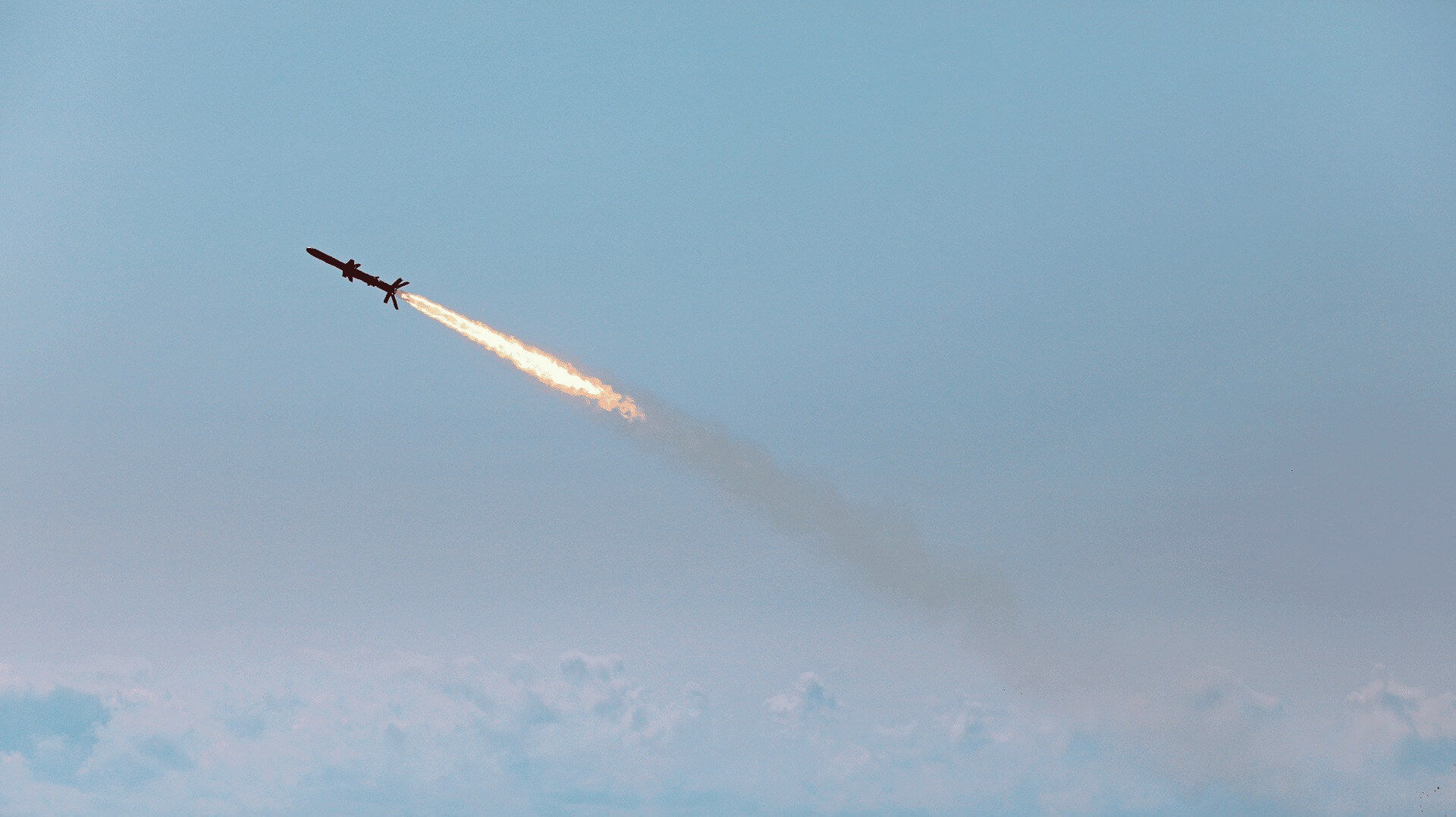
Opting to hit the Galgala family’s tents in Al-Ma’jalah at six o’clock in the morning was not just military coincidence or the result of a miscalculation in timing. Cross-checking of data from more than 884 air operations reveals recurring “time patterns”, with the strikes that caused most civilian casualties taking place at night through to early morning.
This is known as the “time of vulnerability”, when the target would be at their most relaxed, inside their home or tent. Wes Bryant, a retired sergeant major, explains that “the only policies that influence the timing of US strikes relate to minimising harm to civilians.” The timing of strikes “is in most cases linked to ground operations carried out late at night or at dawn. And most air strikes naturally coincide with these operations.”
However, timing the strike to ensure that the target is, militarily speaking, in place, means, from a humanitarian perspective, that the youngest members of their family will be with them, which automatically increases the likelihood of “collateral casualties.”
Military experts refer to these as “opportunistic gatherings”, as family gatherings are seen as an opportunity to ensure the target is in one place. Bryant says that “most civilian casualties occurred partly through a failure to identify they were there.” He adds that poor understanding among US forces of civilian environments – including cultural norms in Arab societies – has remained a problem the Pentagon has repeatedly tried to address.
Proportion of civilians killed and injured by time of day, in US airstrikes and strikes by the US-led coalition in Syria, Yemen, Iraq and Somalia, from 2007 to the end of May 2025.
Total strikes
2
18
Casualties per strike051015202530
Q1 –
12:00 AM – 2:59 AM
Q2 –
3:00 AM – 5:59 AM
Q3 –
6:00 AM – 8:59 AM
Q4 –
9:00 AM – 11:59 AM
Q5 –
12:00 PM – 2:59 PM
Q6 –
3:00 PM – 5:59 PM
Q7 –
6:00 PM – 8:59 PM
Q8 –
9:00 PM – 11:59 PM
Source: Airwars
*These figures represent the minimum documented number of casualties.
Ratio of fatalities to injuries in US airstrikes and strikes by the US-led coalition in Syria, Yemen, Iraq and Somalia, by time of day. From 2007 to the end of May 2025
Ratio of killed to injured
0.6
4
Ratio of killed to injured1234
Q1 –
12:00 AM – 2:59 AM
Q2 –
3:00 AM – 5:59 AM
Q3 –
6:00 AM – 8:59 AM
Q4 –
9:00 AM – 11:59 AM
Q5 –
12:00 PM – 2:59 PM
Q6 –
3:00 PM – 5:59 PM
Q7 –
6:00 PM – 8:59 PM
Q8 –
9:00 PM – 11:59 PM
Source: Airwars
Ratio >= 1: number of fatalities equal to or greater than the number of injuries – extremely high lethality rate
* These figures represent the minimum verified casualty figures.
In the Al-Ma’jalah incident, there was no evidence on the ground to confirm the presence of the target amongst the Al-Haidara and Al-Anbour families. There was merely suspicion this was the case. But this suspicion was enough for the whole area to be treated as a hostile environment and for five missiles to be fired, killing 41 civilians and only 14 fighters.
The data indicates that the incident was not an exception, but part of a recurring pattern. The protection afforded to civilians in US air operations is not something applied consistently, but varies depending on the identity of the organization being targeted. Once a target is classified as belonging to Al-Qaeda or ISIS, the scope of civilian protection narrows, the authority to carry out strikes increases, and suspicion alone becomes sufficient to proceed with the strike, without the need for visual confirmation or on-the-ground evidence confirming the target is present.
Dr. Amer al-Sabaileh describes these as fingerprint strikes – targeting based on patterns of behaviour rather than specific identity – “which make a civilian’s own behaviour pattern susceptible to being matched with that of the target, even if they are in no way connected to the organization”. He goes on to say that problems of verification cause “intelligence chaos”, since no one knows after the strike who was actually hit.
According to legal researcher Nour Kelzi, international humanitarian law does not prohibit behavioural pattern analysis being used as a backup tool, but it does not allow this to be relied on alone as the basis for a decision to attack. The legal issue does not lie in the analysis itself, but rather the reliance placed on it, without having the degree of certainty required by law to establish that the target is military in nature. This is particularly the case when it comes to civilian gatherings where large numbers of civilians are expected to be present.
Total civilian deaths and injuries in Syria, Yemen, Iraq and Somalia resulting from US air strikes and strikes by the US-led coalition against various armed groups from 2007 to the end of May 2025
George W. Bush (2001 – 2009)
Barack Obama (2009 – 2017)
Donald Trump (1) (2017 – 2021)
Joe Biden (2021 – 2025)
Donald Trump (2) (2025)050010001500
ISIS
Al-Qaeda in the Arabian Peninsula
Al-Shabaab
Ansar Allah (Houthis)
Al-Qaeda-Hay’at Tahrir al-Sham
Al-Qaeda in East Africa
Iranian Armed Forces, Popular Mobilisation Forces (Iraq)
Source: Airwars • *These figures represent the minimum verified casualty figures.
* This chart shows only values exceeding 10 civilian casualties
The US was on the threshold of a new revolution when the Department of Defense launched Project Maven in 2017. What it promised was clear: a sophisticated artificial intelligence (AI) system that would process data rapidly, identify targets with exceptional military precision, and minimise collateral damage to civilians. The reality, however, was quite different.
The use of this technology was extended to US anti-ISIS operations in Syria and Iraq, and to surveillance and targeting missions in Yemen and Somalia. In February 2024 alone, the project supported 85 air operations in the region.
Mae Thompson, senior advocacy officer at the Ceasefire Centre for Civil Rights, says that these systems “may accelerate the pace and expand the scope of attacks, in a way that hampers efforts to minimise harm to civilians and undermines accountability.” She adds that the reliability of these systems depends on the quality of the data used to train the AI; meaning that faulty or incomplete data could lead to inaccurate targeting instructions.
We contacted numerous organizations in the US asking them to comment on the military practices revealed by our data and on the resulting civilian casualties. Most recently, on June 3, 2026, we sent a right of reply request to the official US Air Force website, but have so far received no response.
Emily Tripp, Executive Director of Airwars, perhaps best sums up the patterns revealed by this investigation, when she says: “Civilians are treated as an afterthought, if they’re taken into consideration at all. There are thousands of civilians whose deaths are still undocumented, and it’s unlikely they’ll ever be acknowledged.” Emily nevertheless points out that the pressure her organization has brought to bear and its efforts to document casualties have seen some progress over the past decade. Most notable was the acknowledgement by the US of the deaths of more than 1,400 civilians in Syria and Iraq.
Madison Hunke, program manager at the US office of the Centre for Civilians in Conflict (CIVIC), says: “There’s a system in place for paying out money, but it doesn’t provide any accountability. And that means the suffering of civilians isn’t recognised and they’re left without support or any realistic path to justice.”
Years have passed since Fatima was carried out of that devastated tent, and today she has solid walls to shelter her three daughters. But a loaf of bread left unbaked at dawn that fateful day in Al-Ma’jalah symbolises life cut short in an instant. While leaders in Washington have signed off on air strikes and talked about Nobel Peace Prizes, their orders have resulted in a pattern of cross-border military operations that have treated civilian lives as expendable and offered paltry financial compensation; compensation that amounted to barely enough to cover the cost of that loaf of bread that was snatched away from the Galgala family.
Fatima, the sole survivor of her family to be plucked from the ruins of her home, now has a new place to live. But while fighting her latest battle – against cancer – she still looks up to a sky she can no longer trust. And whenever she hears the noise of an airplane piercing the silence, she rushes to her daughters and holds them tightly – not out of fear for her own life this time, but terrified that history will repeat itself, and that one of them will become a “sole survivor” of a new family.
This investigation was produced with the support of ARIJ.