


'/%3E%3C/svg%3E "Youtube")
Amman – 30 March 2021
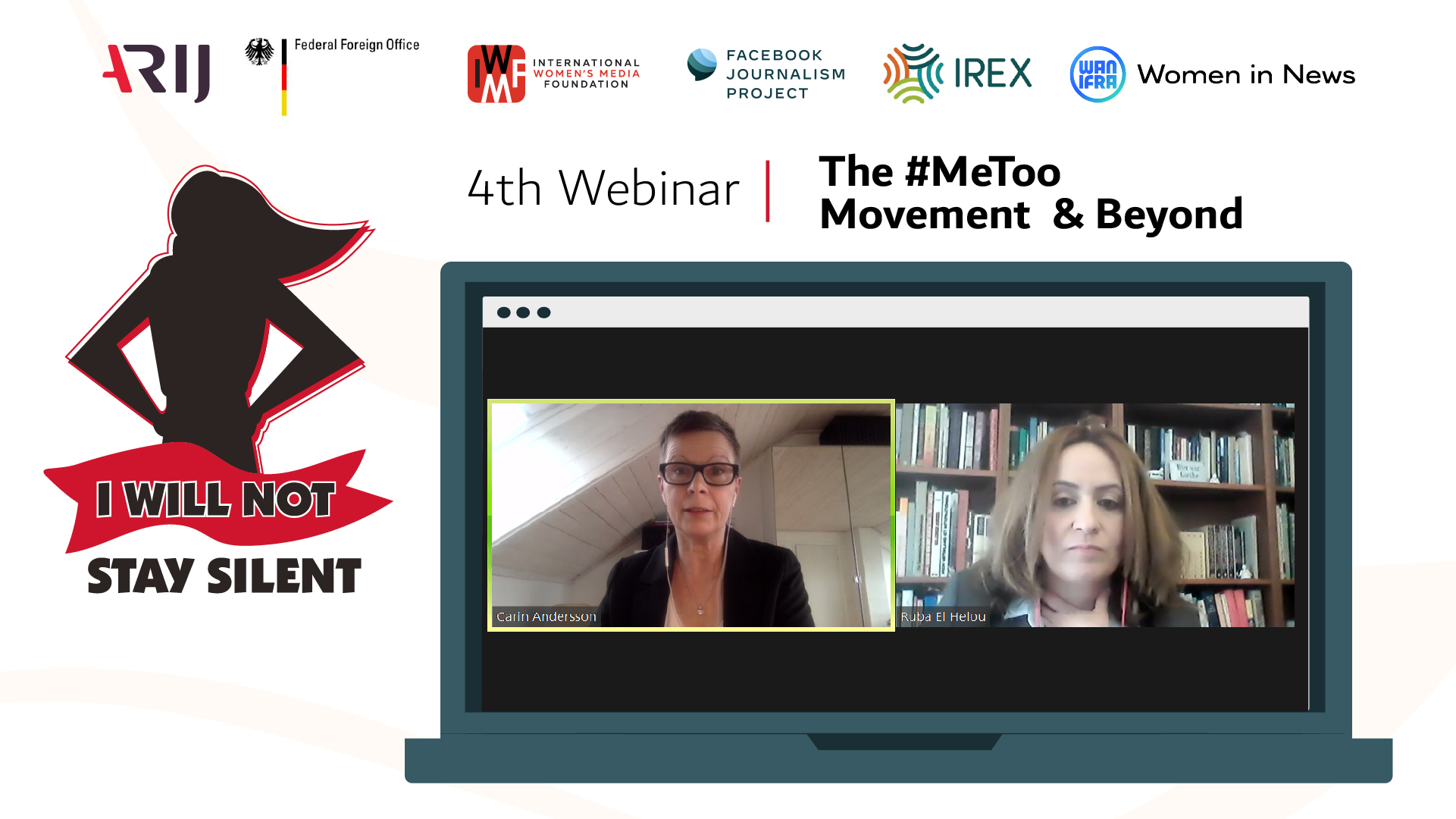
The fourth session in the I Will Not Stay Silent webinar series, was conducted on 29 March and attended by more than 70 journalists, researchers and activists from the Arab world. The session offered a reading of the #MeToo movement, discussed ways to change workplace culture, how to move to a consensus that sexual harassment is a serious problem that needs to be addressed, and opportunities that lie in equal rights and respect for all.
I Will Not Stay Silent is a year-long project that aims to create a safe, pluralistic, and diverse media environment that is free of discrimination. The project was launched by ARIJ (Arab Reporters for Investigative Journalism) in partnership with the Facebook Journalism Project, Women in News / WAN-IFRA, the International Women’s Media Foundation (IWMF), and SAFE, IREX, and supported by the German Federal Foreign Office
The session was led by Carin Andersson, HR consultant focused on leadership, culture and business development, and moderated by Dr. Rouba El Helou, political communication and gender lecturer at Notre Dame University, Lebanon.
Attendees actively participated in the ninety-minute session, raising dozens of questions about the factors, challenges, and potential solutions to harassment in the workplace. Andersson started with an overview of the #MeToo movement, and spoke about its beginnings, why it succeeded, the impact it has had on individuals and corporations, and how it has helped expose harassment cases.
Andersson underscored the need to change workplace culture and tackled the challenges that contributed to silencing victims, which helped make harassment an accepted behaviour for a long time. She also explained that harassment survivors are often reluctant to come forward because they fear retaliation, may feel ashamed, and are governed by a power dynamic in which the perpetrator is usually in a higher position of power than them.
Andersson also highlighted the importance of listening to all sides in harassment cases, because it helps uncover the truth and solve the issue.
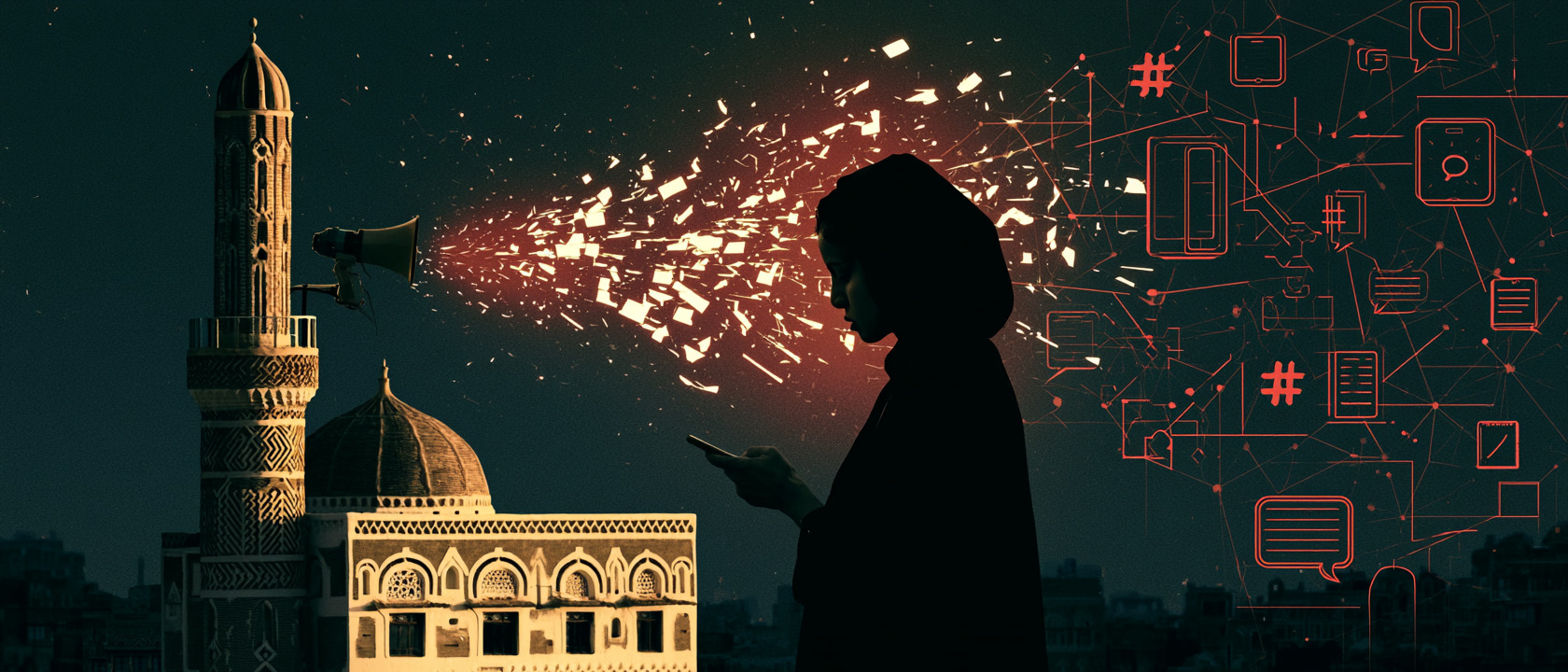
Andersson noted the significant role social media platforms play in exposing harassers and sharing survivors’ stories. She also warned against remaining silent about sexual harassment in the workplace and highlighted the importance of addressing the issue and putting an end to the harassment from the earliest stage; as the problem will not disappear, but rather, will be repeated and exacerbated. Furthermore, Andersson pointed out that it is the head of the organization’s responsibility to stop harassment, by changing the organization’s policies.
The next session on 5 April 2021 will be led by Layal Haddad, Lebanese journalist and head of the media department at Al-Araby al-Jadeed newspaper, and addresses how to manage sexual harassment from an individual perspective. Besides relying on internal laws and regulations, what are the individual methods that can be adopted to deal with sexual harassment? Join us by registering for the session through the link. The session will be conducted in Arabic. The webinars are held weekly on Mondays. The hashtag, #IWillNotStaySilent, is being used concomitantly with the project activities to spark online discussion on discrimination, harassment, and all forms of abuse of power.