


'/%3E%3C/svg%3E "Youtube")
The International News Safety Institute (INSI) held a four-day safety training course in Amman, Jordan earlier in December for investigative journalists from Syria, Iraq, Yemen, Egypt, Palestine, Tunisia and Lebanon.
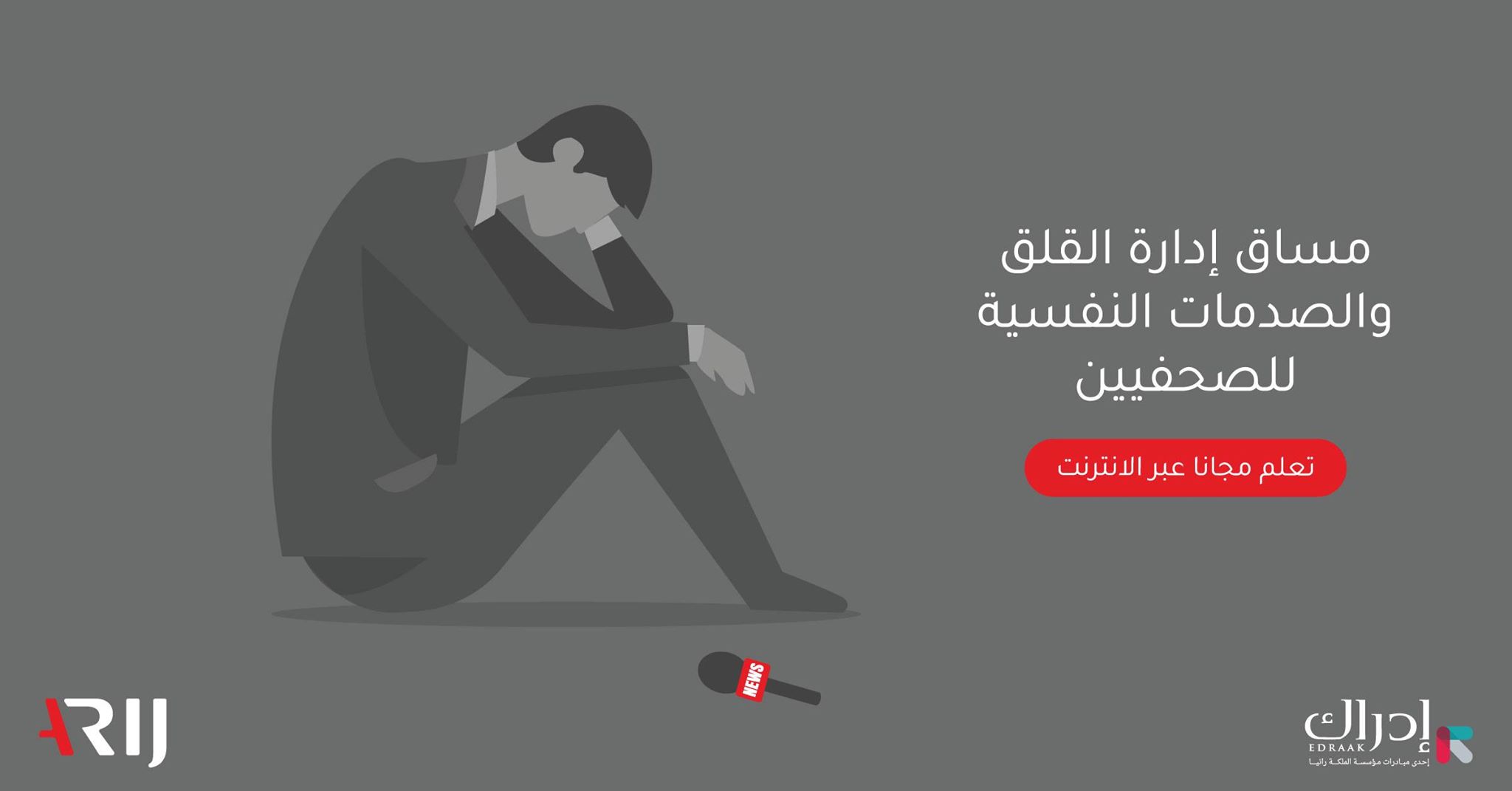
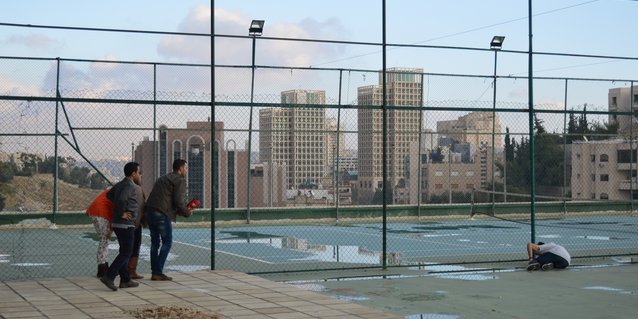
The training provided specially-tailored safety advice for 15 male and female reporters working in some of the most dangerous countries in the world for the press. Terrorism, first aid, contingency planning, safety equipment, lone gunmen and planning and preparation modules were covered in an effort to keep the journalists safer.
“The situation in Syria is very difficult. Sometimes you don’t know which side is threatening you; you think you are going to cover one story and you end up covering another”, a Syrian trainee told INSI.
“It’s been really important learning about first aid, how to behave during kidnapping and surveillance, and how to prepare for a story and not just rush in. Now we’ve got to put all this theory into practice.”
Last year Syria was the most dangerous country in the world for journalists with 12 media workers killed, according to INSI’s Killing the Messenger report that analyses media casualties. The high-profile killings of freelance journalists James Foley and Steven Sotloff by the so-called Islamic State highlighted the dangers for reporters in the region.
“Syria has pretty much become a no-go zone for foreign journalists, and local journalists are also leaving the country in droves. However, there are some reporters, like those on our course, who are still there, still trying to work under increasingly dangerous conditions,” said Anna Bevan, INSI Assistant Director.
“Many of the journalists we worked with have been kidnapped, threatened and attacked simply for doing their job. We hope that the skills they have learnt over the past week will help keep them safer in the future.”
INSI’s training took place alongside the 8th annual forum for Arab investigative reporters, organised by the Amman-based Arab Reporters for Investigative Journalists (ARIJ), the region’s leading media organisation promoting in-depth reporting.
“Safety is not on the agenda of most Arab media, but it is ARIJ’s duty to provide basic training to its journalists operating in today’s fast-paced world of war and conflict where news come faster and sometimes with that, faster injury and death,” said Rana Sabbagh, ARIJ Executive Director.
“Journalists need to be better prepared as they embark on their missions, and they need to be able to assess the risks and plan accordingly to ensure they get the story and do not become the story.”
INSI looks forward to continuing its work with ARIJ to help develop the capacity of local journalists and support the organisation as it leads the safety conversation in the Arab region.