


'/%3E%3C/svg%3E "Youtube")
August 20, 2025
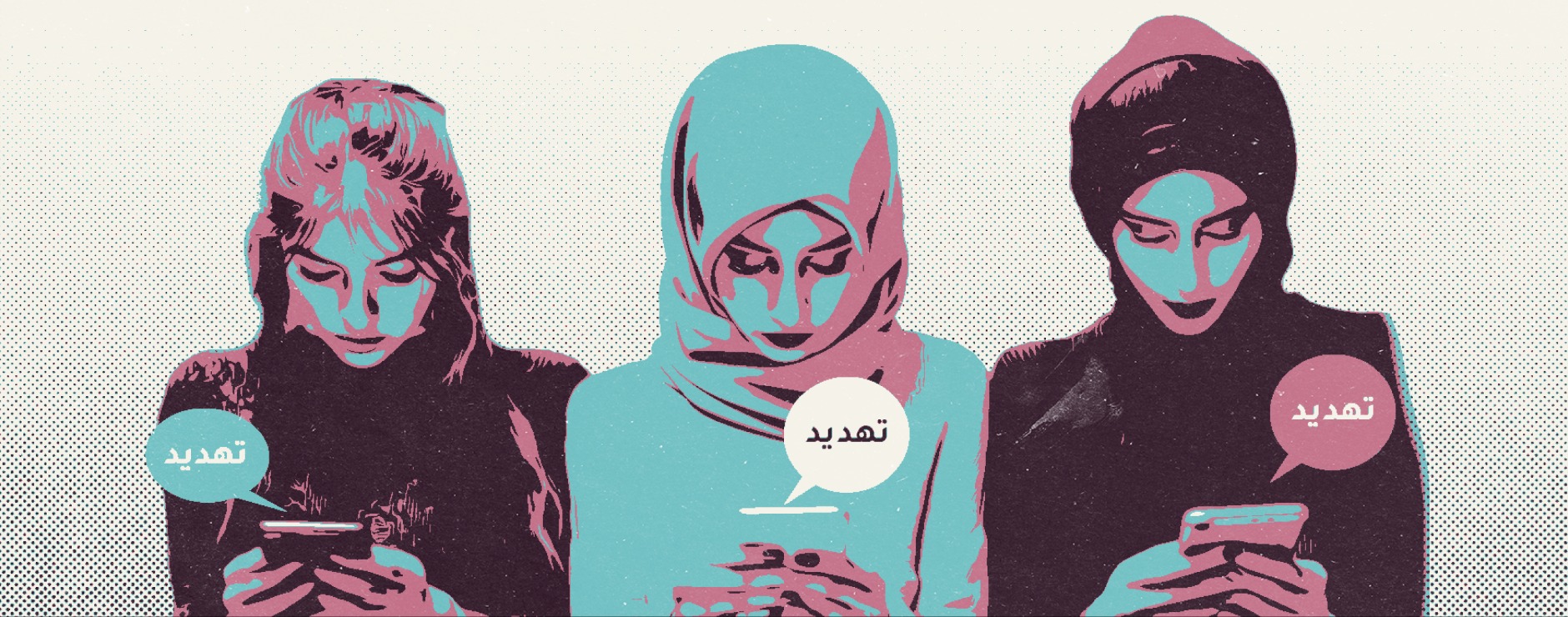
Walaa (not her real name), lives in Cairo with her family. She never expected that turning down a romantic proposal from a colleague she considered a friend would lead to accounts appearing on X with her photo alongside obscene and defamatory descriptions of her, such as “sex worker.”
What happened to Walaa was identity theft, defined by the UN Population Fund as a form of online violence involving “creating a fake profile and assuming someone’s identity for malicious purposes, including destroying someone’s reputation or threatening their safety.”
Rania (not her real name), a psychotherapist, was subjected to gender-based violence online which involved hacking her communications and social media accounts, a common method of abuse. The striking thing is that Rania’s former partner was the one who blackmailed her, so as to force her to take him back. Rania thought the matter would end once she became engaged to someone else, but that was only the beginning. He threatened to send recordings of their intimate phone calls to her family and current fiancé in order to destroy her life, if she did not comply with his sexual demands.
Heba (not her real name), a university professor from Upper Egypt, is dealing with similar fears after being blackmailed by her former partner with intimate conversations and photos. Heba explains that they had been together for years and were planning to marry, but her brother disapproved of him as a husband for her. Heba expected her partner to try to change her brother’s mind. But instead, when she said she wanted to break off their relationship, he threatened to ruin her reputation in front of her family and the students at the university, if she did not stay with him.
Threats of character assassination became more complicated in the case of Marianne (not her real name), a journalist specialising in women’s issues whose fiancé tried to sexually assault her. Marianne managed to hit him and push him away, after which he apologised. Such was his insistence, she agreed to give him a second chance, even though she always felt uncomfortable with him and despite his trying to exploit her financially.
He went so far as to use recordings of their conversations to try to ruin her reputation with the priests at her church. After she refused to pay for the wedding or submit to his sexual demands, which she found unpleasant, he asked her to return the gold he had given her as compensation for having a relationship with a girl “of bad reputation.,”
A study by “Take Back the Tech!” – a global campaign focused on mapping the extent of violence against women – of 1,126 such cases reported between 2012 and 2014, found that women aged 18-30 or less were most at risk of online blackmail. And violence at the hands of an abusive partner was one of the most common kinds of online violence against women.
“Take Back the Tech!” is part of the Women’s Rights Programme (WRP) run by the
APC, and is funded by the Dutch Ministry of Foreign Affairs.
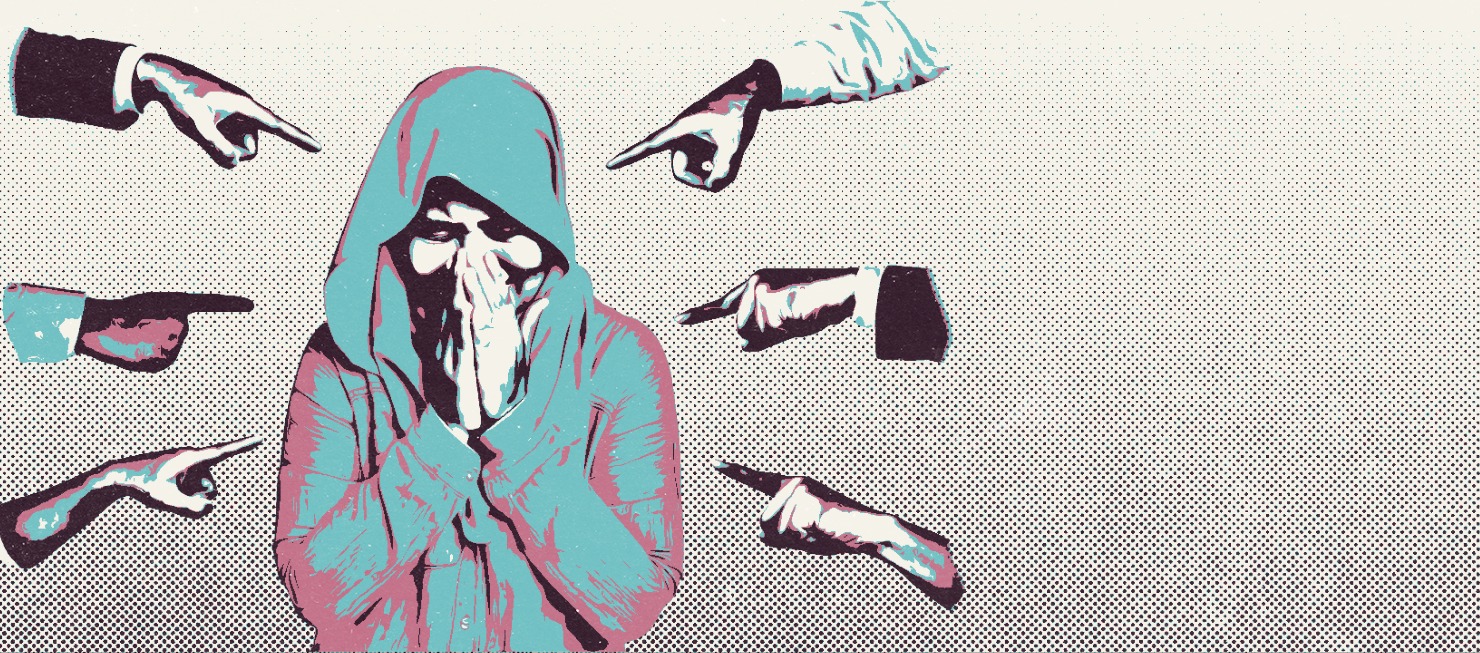
Walaa was overcome with fear when she found the offensive accounts about her on X, but her feelings of anger and helplessness were compounded by the fact that the perpetrator took pride in defaming her among her university colleagues, and in threatening her using a fake account.
Walaa asked her mother, a lawyer, hypothetically so as not to draw attention to herself, what steps a colleague for example should take if faced with such a problem.. Walaa says she felt frustrated when her mother said she would have to go to the cybercrime unit and open up her accounts for inspection. Being a political activist, Walaa did not go ahead with that, fearing that legal action would only cause her more problems.
A study on digital violence against women in Egypt, published in 2023, showed that most social media platforms do not take reports by victims of online abuse seriously. The study also pointed out that the fear girls have, should their families find out about their relationships outside marriage, can dissuade them from defending themselves, from seeking support, or taking legal action.
A 2020 study by the Economist Intelligence Unit (EIU), measuring the prevalence of online violence against women in 51 countries worldwide, showed that women in countries with gender inequality, or with institutionalised gender discrimination, were more likely to experience online violence. It also found that 62 percent of female respondents said women felt powerless because not enough was being done to tackle the problem.
According to the infographics published by the Economist Intelligence Unit in 2020, women are at grave risk of online violence across 51 countries, with rates peaking at 98 percent in the Middle East, while the lowest rates were in Europe, at 74 per cent. Global rates for impersonation and identity theft reached 63 percent; threats of violence 52 percent; hacking and stalking 63 percent; disinformation and defamation 67 percent; and blackmail using private photos and videos 57 percent.