


'/%3E%3C/svg%3E "Youtube")
Asmaa Masalmeh
26 October 2025
“He had the innocent face of a child whose green eyes lit up with intelligence beyond his years.” This is how Osama Sweiti describes his six-year-old son, Suleiman, whose life was tragically cut short by cancer.
Initially, symptoms of the illness appeared on Suleiman’s lower limbs before spreading quickly throughout his small body. After carrying out a series of medical tests, doctors diagnosed Suleiman with soft tissue sarcoma, a rare type of cancer.
However short Suleiman’s life was, his journey did not pass unnoticed. Inspired by the child’s innocent features, Islam Sweiti, a young visual artist from the same town, sought to document his pain and suffering. In her painting, Suleiman is surrounded by burning copper wires, which Islam says, “attacked him ferociously, wrapping around him until he slowly faded away.” She explains that through this work of art, she aspired to immortalize Suleiman as “a cancer patient icon in Beit Awwa,” after the locals followed the story of his illness on social media. His family posted regular updates on his health condition to raise awareness of the dangers posed by these fires.

Describing her emotional state while painting this piece, Islam says, “My emotions fluctuated between sadness, frustration, and anger, particularly since Suleiman was still battling his illness while I was working on the painting.” However, she only completed the work after he died at the age of six.
Islam’s connection to metal scrap fires was both professional and personal. She and her family lived in northern Beit Awwa, where waste burning was widespread. As pollution worsened, they were forced to leave the only home they had known for more than 20 years.Her father, Mahmoud Sweiti, says, “Our decision to leave was a precautionary step also meant to preserve our health. Nothing is more precious to a person than their health.”
The story of Suleiman, his painting, and the departure of Islam’s family from their home, reveals an environmental problem that is putting people’s lives in Beit Awwa and neighbouring villages at risk.
The phenomenon of e-waste burning and the scrap metal trade in the western part of the Hebron governorate, specifically in the towns of Idhna, Beit Awwa, Deir Samit and Al-Kum, did not happen suddenly or by chance. In fact, their origins can be traced back to the early 1990s, but it was not until the beginning of the millennium that this became a true trade.
Following the outbreak of the Second Intifada in 2000, thousands of Palestinian workers were refused entry to the occupied territories for work. The situation deteriorated when an annexation wall was built, taking over large portions of their land. With the loss of sources of income and rising poverty rates, some people started collecting and importing e-waste and unusable metals, such as copper and iron, from Israeli and Palestinian traders. Over time, this “toxic trade” expanded to become an alternative source of livelihood for many.
Mahmoud Sweiti, the former resident in northern Beit Awwa, recalls how this phenomenon first began in his area: “One day, we saw thick black smoke billowing from our neighbour’s house. It wasn’t a widespread phenomenon; it was the first time it had happened. I went around asking about it, and people said they had brought some copper bags and were burning them. I figured it would be a one-time thing, but after two or three days, the fires started spreading again.”
He continues, “We started to feel concerned, because the smoke was covering the house and choking us. The phenomenon gradually spread further, until burning practices took place in many places. People started doing this because they found it profitable, and as a result, pollution spread throughout the country.”
At noon on a sunny day, we sat down with Mahmoud Sweiti in his old house to record his testimony about the damage his home and family had suffered from scrap metal and copper fires. An hour into the meeting, the scene shifted dramatically. Thick black smoke suddenly billowed across the clear skies, quickly engulfing the villages of Beit Awwa and Deir Samit and filling the air with a suffocating stench.
We paused for a few moments before resuming our conversation with Sweiti, who informed us that this was not the first incident of the sort on that day. “At 8:30 this morning, I went out to look at the western side and noticed thick smoke rising near the separation wall in the direction of Dura. The black clouds spread widely across Beit Awwa, reaching Dura.”
After concluding our meeting and returning home, the smoke did not settle for long. After we finished the meeting and each returned to our home, the smoke did not subside for long. Around 5:30 in the afternoon, the dark clouds returned to cover the area once again, marking the beginning of the third round of fires in a single day.
https://www.youtube.com/embed/1fHlOxUKDWc?si=BrGXayo5jwmTOiMMImages of the fires that broke out during and after the interview with Mahmoud Sweiti
Regarding the timing of these repetitive doses of pollution, the Mayor of Idhna Jaber Tamizi, and most of the people we interviewed, confirmed that the burning mostly takes place near the apartheid wall, in Area C, especially late at night.
Mahmoud Suweiti still recalls how this pollution has affected their daily lives since the outset: “When we first moved into the house, we used to sleep on the roof in the summer. The air was cool and there was a nice breeze, so we didn’t need fans. But when the fires started, we would wake up to find soot from the fires covering our blankets and our children’s faces. If the laundry happened to be hung outside, my wife, Umm Youssef, would have to repeat the washing because it was covered in soot.”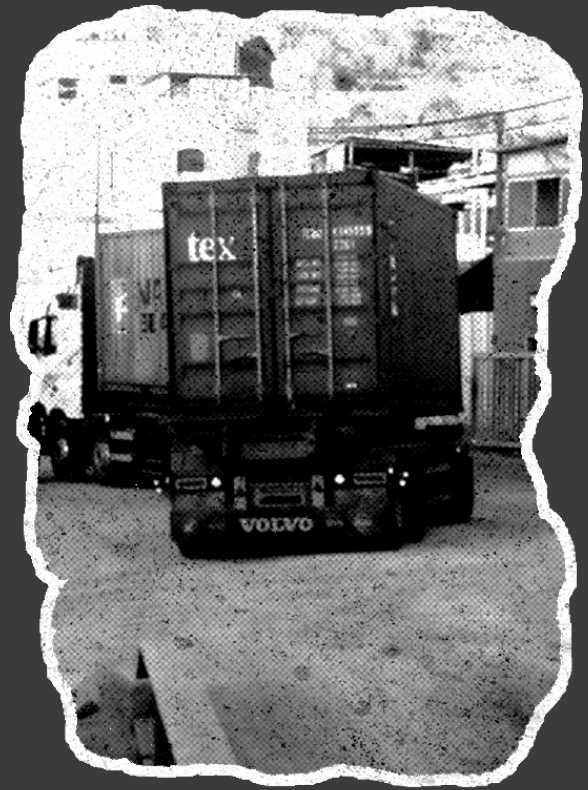
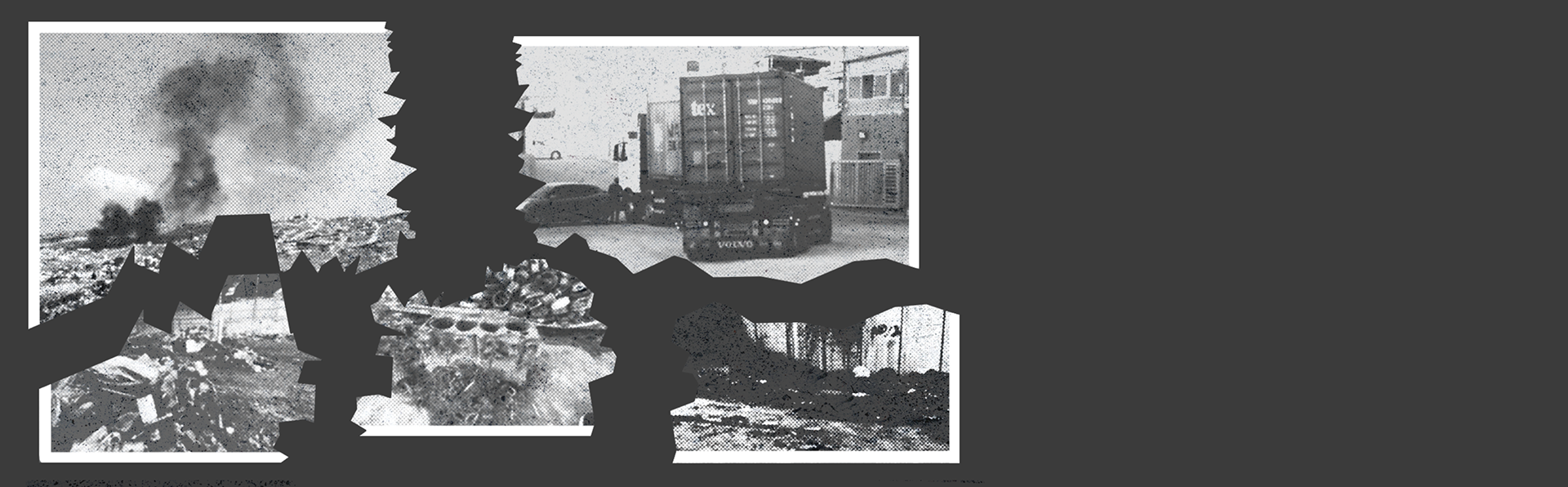
Obtaining electronic waste is neither difficult nor prohibited in the Palestinian territories. It is done openly and easily passes through Israeli checkpoints. Traders purchase materials from multiple sources, primarily from Palestinian territories, where they are sold by Israeli companies and Palestinian individuals. They also purchase materials from local sources in the West Bank and Jerusalem.
Jamal Abu Jheisha, who works in the scrap and copper trade, says: “Around 60 percent comes from inside Israel, and 40 percent from the West Bank.” Another trader confirms this by saying, “We deal directly with well-known traders. We send drivers who hold blue (Israeli) ID cards to collect the waste from them.’
The waste easily passes through Israeli checkpoints, as it is transported under a “clearance invoice,” which is an official document confirming that it is an allowed commercial transaction and does not violate the law. Abu Jheisha explains, “When we bring these quantities through the checkpoints, we show the Israeli authorities the clearance invoice.”
This paper classifies e-waste as commercial goods, rather than as solid waste. Therefore, Palestinian customs officials cannot confiscate it even if it is subsequently burned on Palestinian territory, posing a threat to public health.
Abu Jheisha points out that this trade has expanded to include ready burnt copper. He says, “We receive burnt copper from the West Bank and Israel. Once, we even received it from Eilat! It’s not just us who burn it; the Israelis do it too.’
Jamal Abu Jheisha, the scrap dealer from the town of Idhna, was happy to reveal the size of the profits made by the company he runs with a partner. “Our company’s annual profits are around 2 million shekels ($550,000).”
The company collects and sorts e-waste and copper wires, which it then exports via Israel to countries such as South Korea, India, China and Turkey. Another dealer from the same family, Bilal Abu Jheisha, confirms that the profit margin is high. He says, “We buy dirty copper for 2 to 5 shekels per kilo, clean it, and then sell it for 30 shekels.”
However, he points out that prices fluctuate according to the global metals exchange market. He adds that this market has constant liquidity and that payments are made in cash, not checks.
While we were talking to Jamal Abu Jheisha, two large trucks left the company yard. He pointed to them and said, “Both these trucks are going to Al-Eizariya (near Jerusalem) and will deliver the goods to someone with an Israeli ID. He will then transport them to the port in Ashdod or Haifa. We deliver the goods to an Israeli, who then ships them aboard cargo ships.”
He continues explaining the procedure, “We pay customs duties, and they photograph the goods before export. If they find any dangerous materials, they send them back to us. This has happened before.”
Before the Israeli war on Gaza in October 2023, the company exported five to six containers a day. However, the situation has changed. Abu Jheisha says: “Today, we are operating at 20 percent capacity because of the war and the blockade. We only ship one or two containers a day and earn far less than we used to, despite expenses that have barely decreased.”
One of the most dangerous types of waste handled in the West Bank is e-waste that has been smuggled in from Israel. Between 57,000 and 64,000 tonnes are smuggled each year, after which they are burned to extract precious metals such as copper. This creates high levels of pollution, resulting in health and environmental costs of approximately 242 million shekels per year.
These fires produce hazardous pollutants such as dioxins, fine particles, volatile organic compounds (VOCs), and carbon monoxide. These pose serious health risks including respiratory diseases, heart disease, and an increased risk of cancer. Both Palestinians and Israelis are affected by this pollution, depending on wind direction and the spread of airborne pollutants in the atmosphere.
It is estimated that the health and economic losses resulting from air pollution caused by waste burning in the West Bank will amount to approximately 9.1 billion shekels between 2023 and 2030. In 2022 alone, the health and economic costs were estimated to be between 880 million and 1.3 billion shekels, including losses in agricultural production, health expenditure, and environmental damage.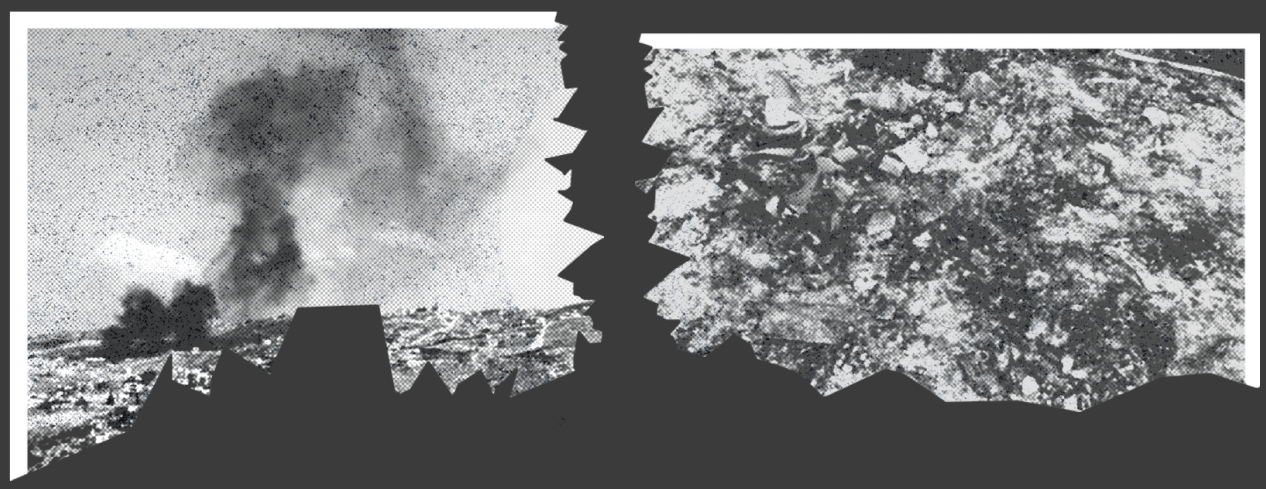
The dangers posed by burning scrap and e-waste extend beyond unpleasant smells and black smoke. Dr Hassan Sawalha, Director of the Centre of Excellence in Water, Energy and Environmental Research and Services (CWEE) at Palestine Polytechnic University, explains that the consequences are far more serious. “This waste consists of various metals, such as iron, copper, aluminium, zinc, mercury, cadmium, and chromium, all of which are coated in plastics like PVC, polyethylene, and polypropylene,” he says.
He adds, “When they are burned to extract minerals, they emit hazardous substances, primarily heavy metals, which either settle in the soil or are released into the air as fine particles. These particles can reach humans through inhalation, or enter the food chain via groundwater and plants.”
Sawalha emphasises that heavy metals are classified internationally as hazardous waste and cause diseases such as cancer, genetic disorders, infertility, and birth defects in fetuses. He adds, “Burning the plastic coating on these wires releases highly toxic compounds, such as dioxins, furans, chlorine, and bromine, into the atmosphere. These compounds infiltrate the human respiratory and nervous systems and cause disease. The closer a person is to the burning site, the greater their exposure to toxicity.”
From another angle, Mahmoud Sweiti describes the tangible impact of these toxins on his agricultural land. Pointing to his field, he says with sorrow, “Before the fires started, we used to produce 40 tonnes of olive oil from this land every year. Now, we can barely produce 2 or 3 [tonnes]. Even the fig tree is struggling, its leaves are sick, and its figs are few and small. We used to harvest a huge yield from it.”
Despite the severe damage caused by scrap and e-waste fires to residents’ lives and the environment in western Hebron governorate, neither official measures nor grassroots initiatives have contained the phenomenon. It appears to be beyond the control of the relevant authorities.


Complaints submitted by residents to the appropriate authorities
In Idhna, one of the towns most severely affected by these fires, Mayor Jaber Tamiza reveals the dangers faced by the municipality in its attempts to deter the perpetrators. “I swear that we have chased and tracked these people, but they act like gangsters. Some of them have even fired at us! They see us as criminals because we are trying to stop them, believing that we want to cut off their livelihood.”
The municipality collaborated with the police to carry out nightly operations tracking burning sites near the annexation and expansion wall. However, according to Tamiza, when the perpetrators are arrested, they are released in exchange for symbolic fines ranging from 10 to 100 Jordanian dinars, which undermines legal deterrence. He adds: “Many of those who set fires have been prosecuted and imprisoned, but when they appear before the judge, they are fined 30 dinars and released. It is very clear that we have legislative shortcomings.”


Images showing the impact of burning scrap metal and copper near the annexation and expansion wall in Beit Awwa, Hebron
Hashem Salah, Director of the Environment Quality Authority Office in Hebron, confirms the existence of a Palestinian law that prohibits the burning of solid waste and random waste dumping. But the lack of oversight keeps these materials outside the scope of effective environmental monitoring, highlighting the inability of current legislation to prosecute this practice.
According to lawyer Uday Al-Nammoura, under Palestinian environmental law, the burning of scrap metal and copper, which are classified as solid waste, is punishable by a fine of no less than 10 Jordanian dinars and no more than 100 Jordanian dinars, and imprisonment for a period of no less than two days and no more than one week. Alternatively, one of these two penalties may be imposed, based on the provisions of Articles 21, 22 and 23 of the aforementioned law.

It has been four years since Mahmoud Sweiti and his family left their home in Beit Awwa. New cases of illness have emerged, including the death of child Suleiman Sweiti, a direct victim of this pollution. Although nearly thirty years have passed since the burning copper and e-waste began, the practice continues to this day and is expanding. Meanwhile, official responses have proven inadequate, hampered by weak legislation and the absence of effective deterrents.